Yang Daowen: Recognize the Dangers of Pulmonary Bullae and Seek Treatment Promptly
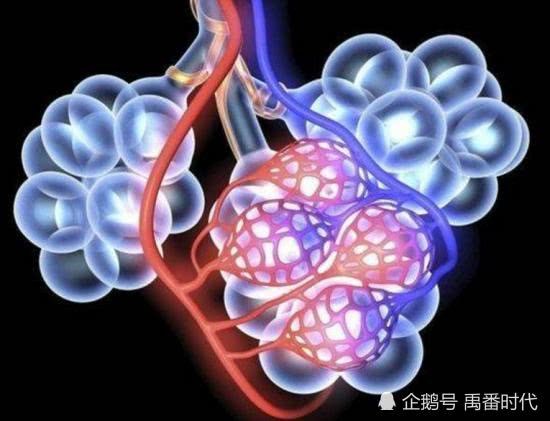
While emphysema may be widely known, few people are familiar with pulmonary bullae, which are actually bullous emphysema, also called pulmonary blebs. Some people consider emphysema very serious, while others dismiss it. If they understood the dangers of pulmonary bullae, many of those who dismiss it would change their thinking and become clearly aware of the importance and necessity of timely treatment.
The appearance of pulmonary bullae means that small bronchi may be or are about to be blocked, seriously affecting respiratory function. The occurrence of pulmonary bullae is also related to occupation; for example, coal miners have a higher incidence of this disease. Furthermore, pulmonary bullae are also a secondary disease, often occurring after lung diseases such as pulmonary tuberculosis, pneumonia, lung abscess, edema of the bronchiolar mucosa, and diffuse emphysema, among others.
Pulmonary Bullae
These diseases often cause increased pressure within the swollen alveoli, which further causes the alveoli to expand, making it easy for elastic fibers to rupture. After the enlarged alveoli rupture, they fuse to form air-containing cystic cavities, namely new pulmonary blebs or bullae, which are like herpes but difficult to eliminate. This is because the lumen of the new pulmonary bullae is incompletely obstructed, creating a check-valve effect where air easily enters but cannot escape. Initially there is a single pulmonary bulla, and later multiple bullae form.
The appearance of pulmonary bullae means pneumothorax is near, and it will get closer and closer; it can even be said that pneumothorax may occur at any time. This is because after pulmonary bullae form, air trapped inside continues to accumulate, causing them to "grow" and compress surrounding lung tissue, which can easily lead to incomplete lung expansion and affect gas exchange in the entire lung.
Pulmonary Bulla Resection
Patients will also experience continuous coughing, sputum production, and other symptoms. Combined with the respiratory movements of the lungs, these can increase pressure within the lungs. If a pulmonary bulla ruptures, pneumothorax and even hemothorax may occur. If a patient with pulmonary bullae suddenly develops symptoms different from before, such as shortness of breath, coughing, difficulty breathing, and coughing up blood, it is most likely pneumothorax or hemothorax. Therefore, both the early pathogenic causes of pulmonary bullae and the initial appearance of pulmonary bullae require actively prompt treatment.
If you have questions or need help, you can call 01062170649 13269852331