How to Control Spider Mites in Smart Planter Care
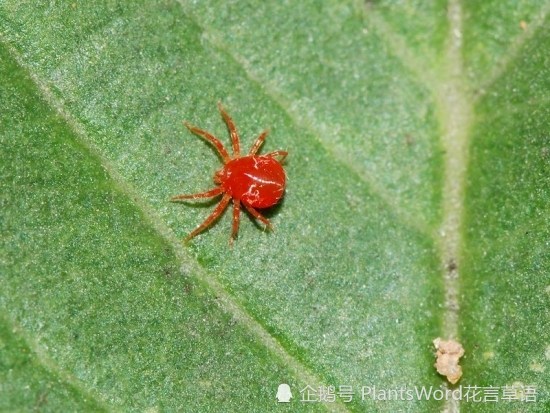
April to August each year is the peak period for spider mite outbreaks (in southern regions). I believe many flower growers have been troubled by spider mite infestations. What should be done at this point?
Plant leaves turn yellow, growth weakens, brown cracks appear on the leaf surface, and there are large amounts of spider webs on the underside.
For most spider mites, they belong to the high-temperature activity type. The temperature level determines the development cycle of each spider mite life stage, the reproduction speed and the population size. Dry and hot climate conditions often lead to major outbreaks. Therefore, timely control must be carried out before the hot and dry season arrives.
This issue goes back to the winter of the previous year. Every winter the garden uses lime sulfur mixture. Spraying lime sulfur mixture in winter provides a lot of effective protection, such as against scale insects, aphids, spider mites and some egg-laying pests. In summer, the garden can be misted with water in the morning to lower the temperature, which can also reduce the environment for spider mite growth. However, you must note that after misting with water, ventilation must be maintained, because if ventilation is not provided in time after misting, fungal diseases and pests are easily caused.
If spider mites have already developed, then what needs to be done is pesticide treatment. Spray once every 3-4 days for 3 consecutive sprays. Both the front and back of the leaves need to be sprayed, because spider mites hide on the underside of the leaves. If there is no relief or they are not killed, then the pesticide needs to be changed promptly.
Smart planter warm tip: When spraying pesticide, it is best to move the potted flowers outdoors. If spraying indoors, do not go near food or utensils. After each use, pour out the excess pesticide liquid and rinse the sprayer clean with water.