Learn to fertilize correctly, and you can also increase both yield and income on the same base
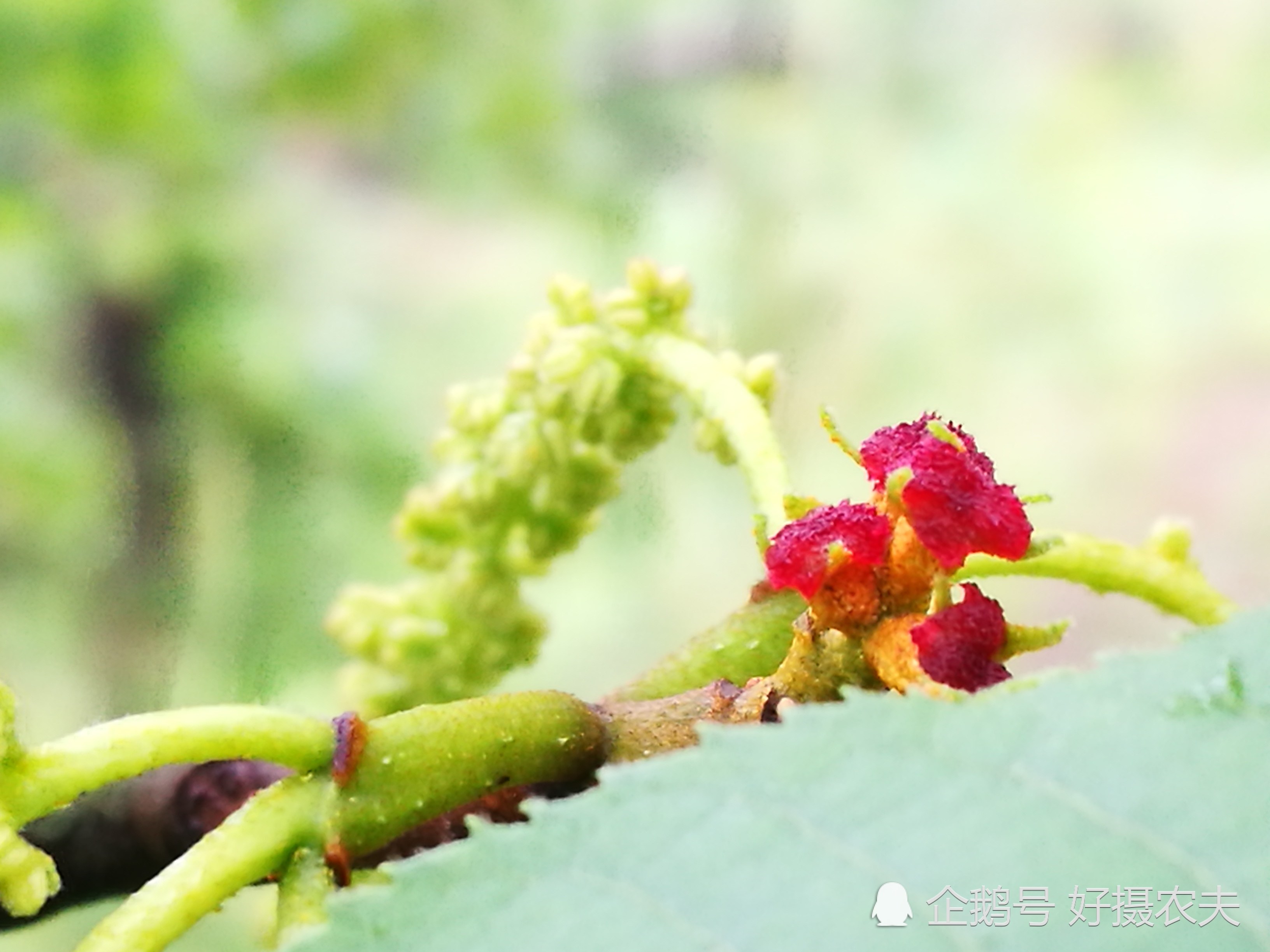
In recent years, hickory has become an important rural economic pillar of Banqiaotou Township, and many farmers have become wealthy by growing hickory.
With the rapid development of hickory forests, hickory, which was never fertilized before, is now also being fertilized, but farmers have found that fertilized hickory trees are prone to disease and death. Why?
Fruit-bearing hickory trees consume a great deal of fertilizer. If you want high yields, fertilization is essential. Especially for some old trees, if they are not fertilized, there will be a very obvious distinction between "on-years" and "off-years."
How should hickory be fertilized? Farmers in our township generally rely on their own agricultural common sense and fertilize based on their own judgment. In fact, there is a great deal of knowledge behind hickory fertilization.
According to research results from major hickory-producing counties such as Lin'an and Ningguo, hickory generally needs to be fertilized three times a year.
The first time: bud-promoting fertilizer, generally between March 20 and April 20 on the solar calendar. The fertilizer at this time promotes bud formation and fruit set in hickory.
The second time: around June 20, it is fruit-swelling fertilizer, which can promote plump and strong hickory nuts.
The third time: around September 20 after harvest, commonly known as "gift fertilizer," equivalent to postpartum recovery in animals. This fertilization can make up for the damage to hickory trees during harvest, increase the synthesis of organic matter in the hickory tree, and enhance cold resistance for overwintering. It is very important.
So, what kind of fertilizer is best for hickory trees?
Generally, organic fertilizer is best, but organic fertilizer must be thoroughly decomposed. For example, the chicken manure used by many villagers now is applied directly. This kind of manure is very likely to cause "root-knot nematodes" in the tree. A tree affected by root-knot nematodes will slowly die within less than two years, and farmers, not knowing the cause, mistake it for other diseases.
Inorganic fertilizer, that is, chemical fertilizer, has a faster and more direct effect than organic fertilizer. Farmers also like to use compound fertilizer because it is convenient to use and has low transportation costs, but when applying compound fertilizer, one point must be remembered.
Hickory trees are chlorine-sensitive crops. Never use compound fertilizer containing chlorine, and even more so never use high-chlorine compound fertilizer, otherwise the hickory trees really will die!!!
It is recommended to use potassium sulfate compound fertilizer, with an application rate of 7% of the yield. That is, for every 100 jin of fresh hickory nuts produced, 7 jin of compound fertilizer should be used for the forest, and this 7 jin of fertilizer should be divided into three applications.
The first time 2 jin
The second time 2 jin
The third time 3 jin
I hope farmer friends all have a good harvest. Correct use of fertilizer can effectively help you increase production.