What are the characteristics of high-mountain wild old white tea among Fuding white teas?
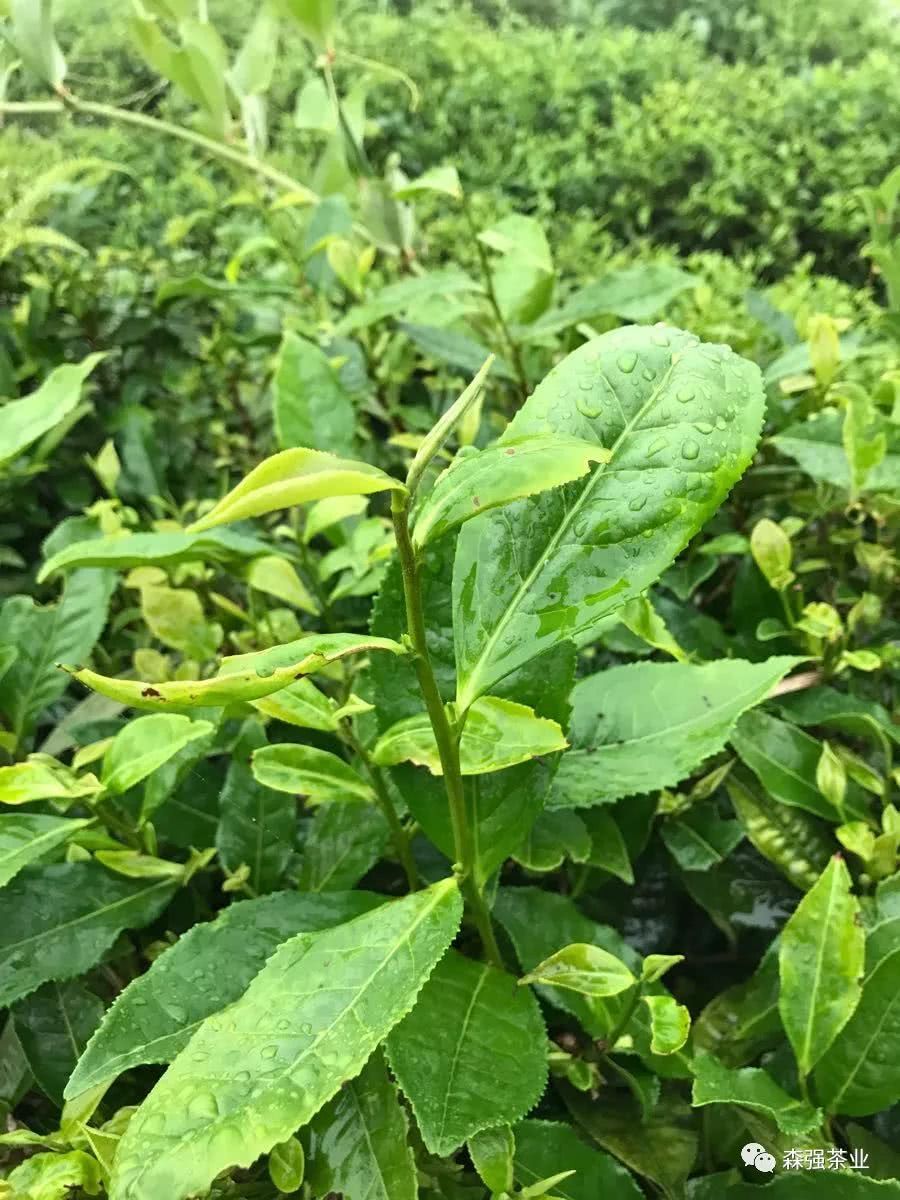
Wild white tea is known as the "king of Fuding white tea", with stress on so-called tea qi. Authentic Fuding high-altitude wild white tea has the strongest tea qi among Fuding white teas. Its characteristics are a good high-mountain ecology, old tree age, a strong wild mountain charm, and a very pronounced old-tree tea aroma in both loose tea and tea cakes. The aroma is high, and the aroma type seems to lie between orchid fragrance and floral honey fragrance, with ample returning sweetness, a mellow taste and rich layers.
"The best grows in rotten stone, the middle grows in gravelly soil." This is the discussion by the Tea Sage Lu Yu in The Classic of Tea. The view that high-mountain wild tea is superior to low-mountain tea has existed since ancient times and was not invented by people today. However, the ancients' arguments and statements for this view mostly started from concepts that are difficult to measure.
For high-mountain wild tea, it is not that the higher the mountain, the better the tea. There are mainly two reasons. First, if the mountain is too high, the growth of the tea trees is affected; second, it is closely related to the production process. Good fresh tea leaves are only the foundation, and whether the process is good or bad is the key to determining whether a tea can be considered top quality.
For Fuding white tea, high-mountain wild tea is superior to high-mountain tea, high-mountain tea is superior to low-mountain tea, and low-mountain tea is superior to seaside tea. The Fuding white tea growing area is densely covered with mountain ridges and has many high mountains. But as far as white tea is concerned, it is not that the higher the mountain, the better; the most ideal altitude is 500 m-800 m. So, what exactly is good about "high-mountain wild white tea"?
Abundant mist and water vapor, not prone to waterlogging
Fuding white tea trees cannot be directly irrigated. Almost all tea gardens are arranged in ridges, with low-lying land in between. This is mainly for convenient drainage, because if the tea garden accumulates water, the tea tree roots easily rot. Since tea trees cannot be irrigated, how do they absorb water? In addition to the water in the root soil itself, they mainly rely on the moisture of cloud and mist. And high mountains happen to have a lot of cloud and mist. From the start of the Mid-Autumn Festival each year to the spring of the following year, there are at least more than 60 days of cloud and mist on the high mountains of Fuding.
Sufficient sunlight, tea leaves with ample yang energy
The light intensity on high mountains is greater. Within 1000 m it may not be very obvious, but comparing Tibet with the southeast coast makes it fairly obvious. After traveling to Tibet, a person's skin will become darker overall. However, the subtle differences within 1000 m do have a great impact on the quality of fresh tea leaves, and this will show clear differences in taste, aroma and returning sweetness. High-mountain white tea has a high aroma, ample returning sweetness, a mellow taste and rich layers. Then high-mountain wild white tea, which basically is picked for only one season each year, certainly has an even better taste.
Rich in minerals, with many trace elements
The rock itself is rich in minerals and trace elements. The high mountains of Fuding are basically stony mountains. In addition, Fuding is also a place producing premium black basalt stone material. After hundreds of millions of years of natural weathering, high-mountain rocks generate rocky soil rich in minerals and trace elements, which is then absorbed by the tea trees. What tea drinkers usually call the tea's strong "wild mountain air" should be directly related to this.
Summary
The goodness of high-mountain wild white tea lies in the rich inner quality of the fresh tea leaves, which provides the best raw material for top-quality white tea and can be called a "genetic advantage". In particular, high-mountain old-tree wild white tea can be called the king of kings, with a fresher and more refreshing taste and more lasting returning sweetness. The quantity is small and the price is high, but the quality is absolutely guaranteed. Such top-level high-mountain old-tree white tea is worth having.