Rose accidentally met with disaster? 3 little tricks to make it bloom beautifully
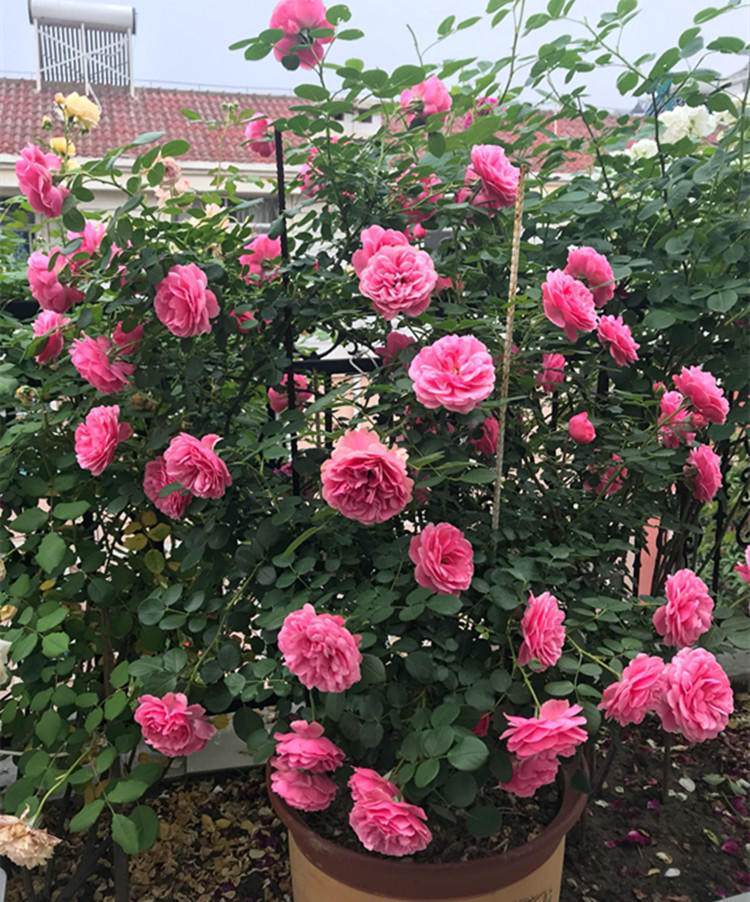
To grow roses well, fertilizer is indispensable, but many flower lovers do not know how to fertilize. Feeding the rose well is good, but feeding it too much causes fertilizer burn. When a rose suffers fertilizer burn, it is a serious injury, but flower lovers should not worry, there are a few little tricks that solve it well.
Roses absorb nutrients from the soil solution through their roots. If flower lovers apply fertilizer too concentrated, the concentration of the soil solution becomes too high, and the water in the root cells of the rose will seep back into the body. If measures are not taken in time, it will cause the roots to be "burned to death," leading to the death of the plant.
So, here come the little tricks for handling it: first, use a thin bamboo stick to poke several ventilation holes into the pot, then immediately water heavily to dilute the fertilizer liquid, prompting the excess fertilizer liquid to flow out through the drainage holes with the water.
If you want to keep roses from suffering fertilizer damage during care, you can use organic nutrient solution to water the roses, diluted to 500-800 times, watering once every 7 days, poured directly at the roots. The rose roots absorb it well, the branches and leaves are dense, and the plant is strong.
Second, if you find that a rose has suffered fertilizer damage, flower lovers should properly prune the rose. A rose suffering from fertilizer damage has its growth hindered, and its ability to transport nutrients upward from the base is weakened. In order to reduce the burden of nutrient supply, a portion of the rose branches should be properly cut off. Those tolerant of pruning should be heavily pruned, otherwise lightly pruned, so as to help the rose recover its vitality as soon as possible.
Third, carry out root washing and soil replacement treatment for roses that have suffered severe fertilizer damage and were not treated in time. The specific method is: take the affected rose out of the pot, shake off the root soil, rinse the root system clean in water, trim off part of the old roots, then plant it in river sand, place it in a shaded place to promote root growth, and after it regains its strength, repot it with new culture soil.
In addition, flower lovers also need to note that roses suffering from fertilizer damage, whether treated or not, need to be kept out of light during care. During the day, place the rose where there is no sunlight, and at night move it out into the open, so that the rose gradually recovers. After about 10-15 days, the rose has basically recovered. At this time, to supplement nutrients for the rose, you must use a thin liquid fertilizer, diluted 800 times with water, watering once every half month, and then gradually increase it.