How to fertilize Podocarpus macrophyllus? These four key points are essential
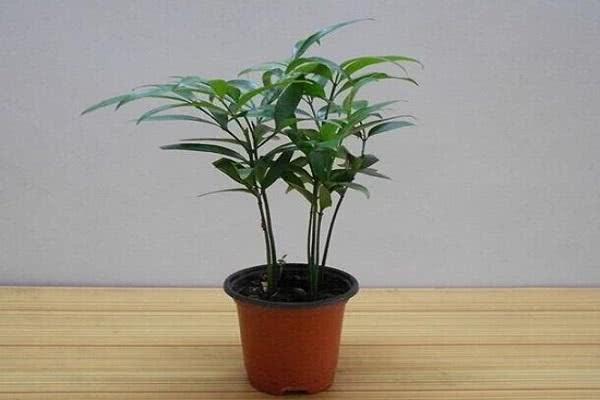
This plant has a solid appearance, giving a sense of stability and grandeur. Because its origins date back very early, it is hailed by flower enthusiasts as a "living fossil." It can not only be used to add splendor to indoor spaces, but also has good economic value and environmental value. Having said all that, let's get to the point: how should we regulate the amount of fertilizer to help the plant grow vigorously?
Fertilizer requirements of Podocarpus macrophyllus
Just as we can see from the robust appearance of Podocarpus macrophyllus, its adaptability is equally excellent. It can live in very barren places and does not need much fertilizer. However, appropriate fertilizer can provide the plant with nutrients that it cannot absorb from the soil, so it still has a purpose.
What fertilizer should be applied
Natural animal manure is the best, as it has no side effects and will not harm the surrounding environment.
For fertilizer purchased from the market, you can choose urea or other fertilizers with balanced nutrients.
Different treatments at different stages
When the plant is at the seedling stage, it has a relatively high demand for nutrients. In order to help it grow steadily faster, we should apply more fertilizer; once it has adapted to the surrounding environment and can grow steadily, the frequency of fertilization can be appropriately reduced.
In spring and summer, the plant's renewal and growth are relatively fast, so fertilization is needed at this time. You can apply some urea (a concentration of 0.2% is suitable) or animal waste every half a month or twenty days.
In autumn and winter, especially in late autumn and throughout the entire winter, the plant enters a period of slow development, and almost no fertilizer needs to be applied.
Issues to pay attention to
Even when the demand for nutrients is relatively high, you must not apply too much at one time. You can increase the frequency, but you must not blindly increase the amount of fertilizer.
You can pay attention to this in advance when choosing soil. It is best to choose potting soil that already contains rich nutrients, such as a mix of sandy soil and humus soil, so as to reduce artificial application and avoid the problem of fertilization being difficult to control.
When fertilizing, do not get fertilizer on the stems and leaves to avoid corrosion.
When choosing fertilizer, take various nutrients into comprehensive consideration and do not focus on only one element.
Source: Huabaike.com Author: Huabaike Weiwei