How to Grow Asparagus Fern So It Thrives? A Full Guide to Care Techniques
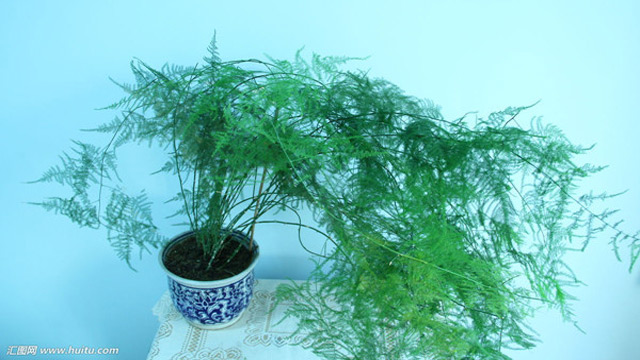
1. Light
Asparagus fern prefers a cool, shady environment, and during growth it mainly needs indirect light. In summer, give it appropriate shade, because it fears strong light, so the best placement is a well-ventilated, semi-shady spot; otherwise, the leaves will turn yellow and even drop, greatly affecting its appearance. In addition, in winter the asparagus fern is extremely sensitive to cold, so as autumn nears its end, move it indoors as soon as possible and keep the room temperature at around 5°C; it must never fall below this temperature, otherwise cold damage will occur.
2. Watering
Watering has a great influence on whether the asparagus fern can be grown well. First, make sure the potting soil is suitably moist or dry; it must not stay too dry for a long time, nor too wet for a long time, otherwise the leaves will turn yellow, the roots will rot, and eventually the leaves will fall off. So when the weather is very dry, spray water on the leaves promptly. Then when watering, water thoroughly in one go, and also make sure the moisture is balanced; there must be no excess water left in the pot. In winter, you can reduce the frequency of watering, and simply clean the branches and leaves regularly to keep the plant fresh and green.
3. Fertilizer
To prevent it from growing leggy, do not use fertilizer that is too concentrated when fertilizing, and do not fertilize too often. Usually once every 10 days or so is enough. During the high temperatures of summer and the low temperatures of winter, stop fertilizing to prevent root rot.
4. Soil
It likes loose, well-draining soil, so soil containing garden soil and leaf mold is often used; its roots themselves are fleshy and breathe very actively, and their oxygen demand is also high, so the potting soil must be loose and must not become compacted.
5. Repotting
The last key to growing it well is to repot it in time, once every 2 years is enough, to ensure the plant and pot are suitably matched in size; when repotting, also replace the old soil and add loose soil back in, and with careful care, it will grow even better.