How to care for ivy in summer? Do these few things well and it will get through summer easily
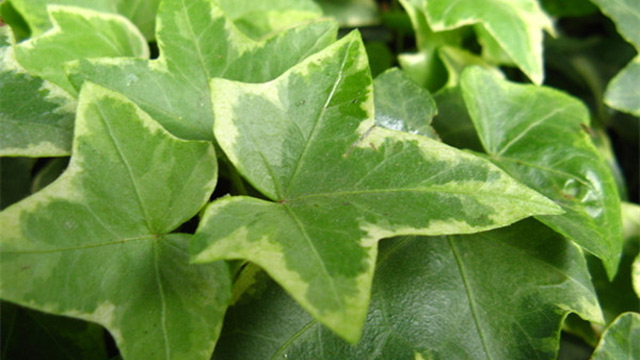
1. Care environment
In summer, you can choose to grow it under a shade shed or in a cool room. Although ivy does not have many demands on its surroundings, the high temperatures of summer are still bad for the growth of its vines, so it must never be left in direct sunlight for long periods. It is best to move the ivy to a cool room for the summer. The environment ivy prefers is a daytime temperature of 20°C, a nighttime temperature of 18°C, and surrounding air humidity of no less than 80%; this kind of care environment will help ivy get through summer very well.
2. Moisture requirements
Pay special attention to maintaining the moisture level of the vines and leaves. In summer, because evaporation from the leaf surface is very high, you need to mist the leaves intermittently to maintain humidity. You can choose to use a fine-mist nozzle, or you can wipe the leaf surface with a slightly damp clean cotton cloth, keeping the leaf surface moist for a period of time, and wait until the film of water on the surface has dried before misting again.
3. Watering method
In terms of water management, watering should alternate between dry and wet. Never let the potting soil become excessively wet; if there is standing water, it must be poured off promptly, otherwise it will cause the vine roots to rot and the leaves to drop. In summer, you can avoid the high-temperature period at noon; the early morning or the time after the sun goes down are both suitable for watering ivy. Watering and fertilizing can be done alternately.
4. Soil composition
Get a good grasp of the soil properties and avoid using alkaline soil for cultivation. You can choose to add an appropriate amount of coconut husk to the growing medium, or mix in garden soil or plant ash, keeping the soil pH between 5.7-5.9. In addition, try to keep the soil loose; adding some soil with a higher potassium content will benefit ivy's growth in summer. Soil with high salinity and alkalinity should be avoided.