Potted clivias can also be propagated from leaf cuttings, and a single leaf can grow into a new seedling
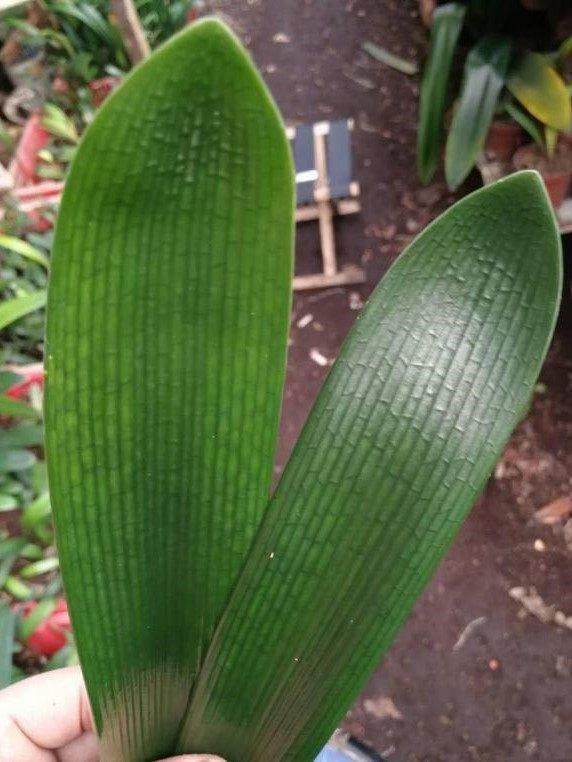
For clivia, the main propagation methods are division and sowing. What is generally used is self-propagation, that is, dividing offsets from the base, but in fact new clivias can also be propagated by leaf cuttings.
After the clivia's flowering period ends, you can combine this with repotting and select some leaves that are growing vigorously and have well-developed roots for propagation. The leaves need to be peeled off intact; if they carry small roots or small buds, the survival rate will be higher.
After the leaf is removed, prick several wounds with a needle half a centimeter below the top of the mother end, and after treating it, place it in a shady spot to dry for two days. Or soak it in aspirin solution for 10 minutes to prevent root rot.
After drying, it can be potted up. The cutting medium should be a loose, breathable material with no fertility, among which a mix of vermiculite and perlite at a ratio of 1:4 is best. After potting, you can spray a little water, or if the medium is fairly moist, you can skip spraying. Then place the pot in a shady spot. In ordinary care, the medium should be kept moist but slightly dry, and remember that it must not be too wet.
Once the leaf sprouts small buds, it can be moved into a small pot containing fertilized potting soil for careful management. At this time the young seedling is very weak, so extra care is needed in management, otherwise the seedling is very likely to die.