Five great secrets for watering your plants: no matter how you water, your flowers will stay thriving
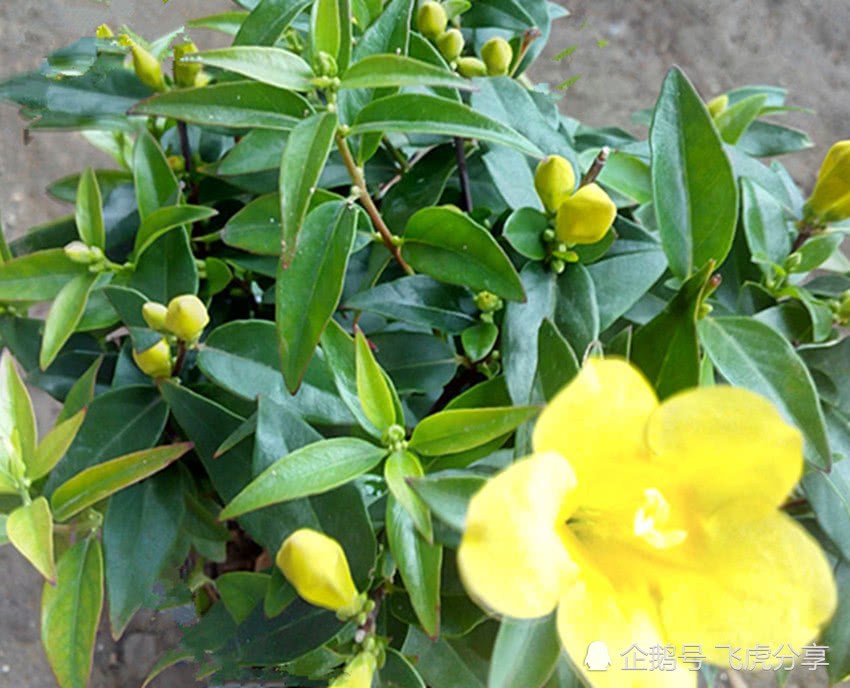
Every plant grower knows that watering flowers is a very important task. It directly affects how well the plants grow, and it also determines whether the flowers live or die. With the same flowers, the same soil and the same environment, if you water well, the branches and leaves flourish and the flowers bloom abundantly. Otherwise, the leaves drop and the roots rot. Today I have summed up five great secrets for watering plants. Remember them, and from now on you will not need to worry about getting watering wrong.
1. Before watering, you must first understand the habits of the plant: whether it likes water or tolerates drought. For example, pothos (Epipremnum aureum), copper coin grass (Lysimachia nummularia) and similar plants are water-loving flowers, so when watering you should water more, but watering more does not mean watering without restraint; watering more means keeping the soil moist but not waterlogged. Aloe, Christmas cactus (Schlumbergera) and cactus and similar flowers are drought-tolerant plants, so when watering you should water less, keeping the soil slightly moist but not completely dry. 2. No matter what kind of plant it is, the most suitable water is natural rainwater. Take the vegetables in a kitchen garden: watering them ten times is not as good as one rain, and rainwater contains the nutrients and trace elements that plants need, making it the most suitable water for watering flowers. If you use tap water to water flowers, you can let it sit for two days in advance and add an appropriate amount of fruit peel to the water to increase its nutrient content.
3. Watering should be adjusted according to changes in the environment and weather. When the temperature is high and the weather is clear, water more and more frequently; when the temperature is low, or on cloudy or rainy days, water less or not at all. When the temperature is low, it is suitable to water at noon; when the temperature is high, it is suitable to water in the morning or evening. 4. Water according to how dry or wet the soil is. In summer, when you find that the surface soil in the flower pot has a 1 cm deep layer of dry soil, water it; in winter, water only when the surface soil of the pot has a 2 cm deep layer of dry soil.
5. After watering, while the top of the soil is still not dry, loosen the soil. The depth of loosening should be 1--3 cm down from the surface soil. This not only preserves water and fertilizer, but also allows air into the pot and keeps the soil loose. 6. Whether watering or spraying, once a month you should add a little carbendazim or chlorothalonil to the water. This can prevent many kinds of pathogens from invading and keep the branches and leaves growing healthily and vigorously.