Give your roses this magical water, and the leaves will be glossy green with buds hanging all over the branches
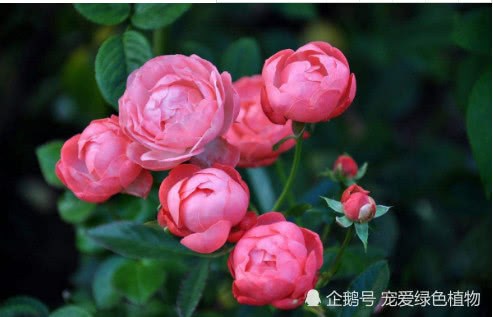
Flower lovers who enjoy growing plants probably all know about using rusty water, yogurt water, fish tank water, tea water and so on to water flowers, because each flower has different needs, and you cannot use the same nutrient water for different flowers. The thing gardeners fear most is yellowing leaves, especially with all kinds of foliage plants. Once the leaves start turning yellow, you feel like throwing the plant away, especially with roses. Once yellow leaves appear, all that is left is a bunch of bare branches.
Generally, the causes of yellow leaves in plants, besides sunlight and water, are iron deficiency. So when it comes to flowers like roses, what kind of water is best for watering them? Below, the editor recommends this "magical water" for everyone. Give your roses a little, and the leaves will be glossy and shiny, buds will hang all over the branches, flowers will bloom one round after another, the colors will be vivid, the blooms will be larger and more numerous than the leaves, and the plant will grow incredibly vigorously!
That is the "vinegar" commonly found in our kitchen. Vinegar contains various nutrients such as sugar, glucose, lactic acid and acetic acid. It can strengthen photosynthesis, increase chlorophyll content, enhance the disease resistance of flowers, make roses grow vigorously and glossy, and also regulate soil pH. Vinegar has undergone sterile processing and also has an appropriate sterilizing effect, which can prevent fungal infections, make plant stems and leaves grow more robust, and prevent the breeding of various pests and diseases!
How to use: We mix vinegar and water in a ratio of 1:50 to make a solution and pour it into the soil of the roses. This can both improve the degree of soil salinity and alkalinity and prevent pests and diseases caused by soil salinization. Dilute vinegar with clean water at a ratio of 1 (g):10 (g), and use it to spray the roses once every 15 days, spraying before bud formation. This can make the rose leaves greener and larger, accelerate flower bud differentiation, and increase the rose flower quantity by more than 8%.
If yellow leaves appear on the roses, you can also dilute vinegar with water and spray it on the leaves, once a week. After two or three times in a row, the yellow leaves can turn green again, and it can also effectively prevent the occurrence of rose powdery mildew.
Warm reminder: Be sure to use edible vinegar, not industrial vinegar. When spraying the rose leaves, try to do it before 10 a.m. or after 4 p.m. After spraying, do not expose the plant to strong sunlight. You absolutely must not expose it to strong sunlight!