If jasmine and gardenia don't grow well, it's because the soil is wrong. Make your own acidic soil in 2 steps and the flowers will grow like crazy
How do you make acidic soil yourself?
When growing flowers in the city, it's not easy to get good soil. So that your plants at home can have good soil when it's time to repot, we can use our usual spare time to prepare it in advance, and then it will be much more convenient when the time comes to use it.
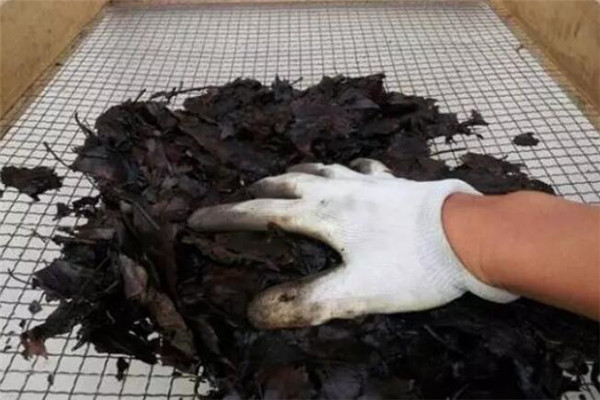
1. Prepare some fallen pine needles, willow leaves or poplar leaves. When you go out for a run or a walk, you can bring a plastic bag and collect some whenever you come across them.
2. First spread a layer of soil on the bottom of the pot, then spread a flat layer of fallen leaves, then add soil, then add fallen leaves again. Repeat this layer by layer 3~4 times.
3. After everything is laid out, water it thoroughly, add some ferrous sulfate, press it down firmly, then seal it with a plastic bag to compost the soil.
4. During the composting period, you can add some ferrous sulfate at intervals to ensure the soil's acidity. Generally, acidic soil can be obtained in 4~6 months.
5. Acidic soil can be used to grow flowers such as Aglaia odorata, camellia, jasmine, gardenia and rhododendron.
How do you turn alkaline soil into acidic soil?
Besides making acidic soil yourself with leaves, we can also use some small tricks to turn somewhat alkaline soil into acidic soil.
1. Vinegar (preferably salt-free rice vinegar). Mix vinegar and water at a ratio of 1:50 and water acid-loving flowers with it. It can change the soil's acidity and alkalinity fairly quickly, turning alkaline soil into somewhat acidic soil.
2. Fruit peel water. Don't throw away apple peels and leftover fruit cores. Soak them in water overnight, then water the flowers with that water. It can improve alkaline soil and slowly turn it acidic. Those with gardenia and jasmine at home can give it a try.
3. Rice washing water. Many flower lovers say rice washing water is the best to use, as it can change the soil's acidity and alkalinity and also serve as fertilizer. That is indeed true, but be sure to note that it must be fermented first. Add water, seal it, and at high temperatures it will be fully fermented after two weeks, then mix it with water at 1:20 and water the flowers with it.
With acidic soil, jasmine growing well is guaranteed! So what else do you need to pay attention to when caring for jasmine?
1. Light must be sufficient.
Jasmine loves light. If you put it indoors where there isn't enough sunlight, its leaves will grow very thin and it will easily become leggy. Sufficient sunlight can make jasmine grow more robust and is also good for flowering.
2. Don't water too much.
Jasmine is fairly drought-tolerant. Generally, you can wait until the soil is more than half dry before watering, once a week. Watering too much easily causes leggy growth.
3. Fertilizing must keep up.
During jasmine's growing period, pay attention to fertilizing. You can apply a 0.1% concentration potassium dihydrogen phosphate solution, or use chicken manure and bone meal as a base fertilizer mixed into the soil. Only with enough nutrition can it produce more branches and flower buds.
4. Pay attention to pruning.
Jasmine's old branches don't easily bloom. Timely pruning can promote the growth of new branches and more flowers. There are the following two principles for pruning:
① During the flowering period, if the flowers open slowly, pay attention to cutting off weak buds and the leaves near large flower buds, so as to ensure the flowers open.
② In spring and autumn, jasmine can be heavily pruned. When pruning, leave only two pairs of leaves and two growth nodes on each branch, and cut off everything else. Heavy pruning is to promote the development of side branches and make the jasmine more lush.
If jasmine and gardenia don't grow well, wrong soil is a major reason
The method for making acidic soil yourself above is very simple
Once you've learned it, hurry up and give it a try~