A Detailed Guide to Growing and Caring for Cuphea hyssopifolia
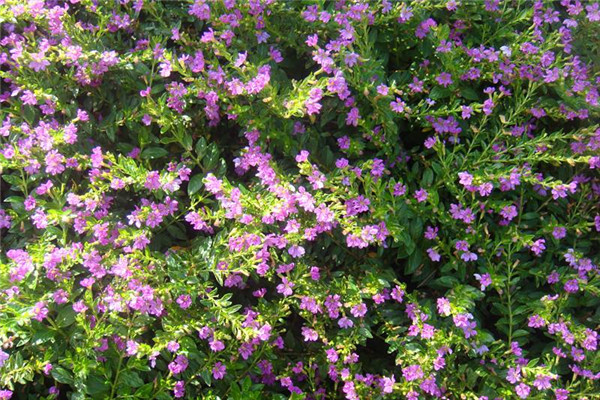
1. Potting soil
The potting soil used for planting is best based on sandy soil, because this flower does not like too much water. If water accumulates for a long time, it is very likely to cause its roots to rot, which in turn makes the flowers wither and droop along with it. Therefore, the potting soil used must be one with a preference for good drainage. You can choose an appropriate amount of river sand, peat soil and perlite, and mix and adjust them in reasonable proportions to make the potting soil.
2. Watering
This flower actually does not have very high requirements for water. For daily watering, you just need to pay more attention not to water too much and cause water accumulation. It is recommended that you do not water by feeling alone; you can pinch up a little potting soil with your fingers and check the dry and wet degree of the soil yourself, so that when you water, you will not be so lacking in measure. Like most plants, just water when the soil is dry and stop when it is moist.
3. Light
Cuphea hyssopifolia is a relatively light-loving plant. Although it can also grow in a slightly shaded position, the plant itself is more suited to sunny places, and whether it receives full-day sunlight or half-day sunlight, it can grow very robustly and vigorously. Therefore, during care, still try to ensure a certain length of light exposure!
4. Pruning
Like most trees, this flower and its leaves also need pruning. Generally, timely pruning should be carried out after planting, and proper pinching and pruning can better promote the branching of its branches and leaves! In addition, it is recommended that everyone carry out a full trim once every spring, which can boost the plant's growth, better thin out those overly dense leaves and branches, and help the plant grow better.
5. Special reminders
This flower does not have much demand for fertilizer, but it is recommended that during care, after the weather turns warm each spring, you can apply a topdressing once, which can better help the plant's growth and flowering in summer and gives the plant one more layer of assurance.