As long as roses are well cared for in spring and summer, they can bloom all year round
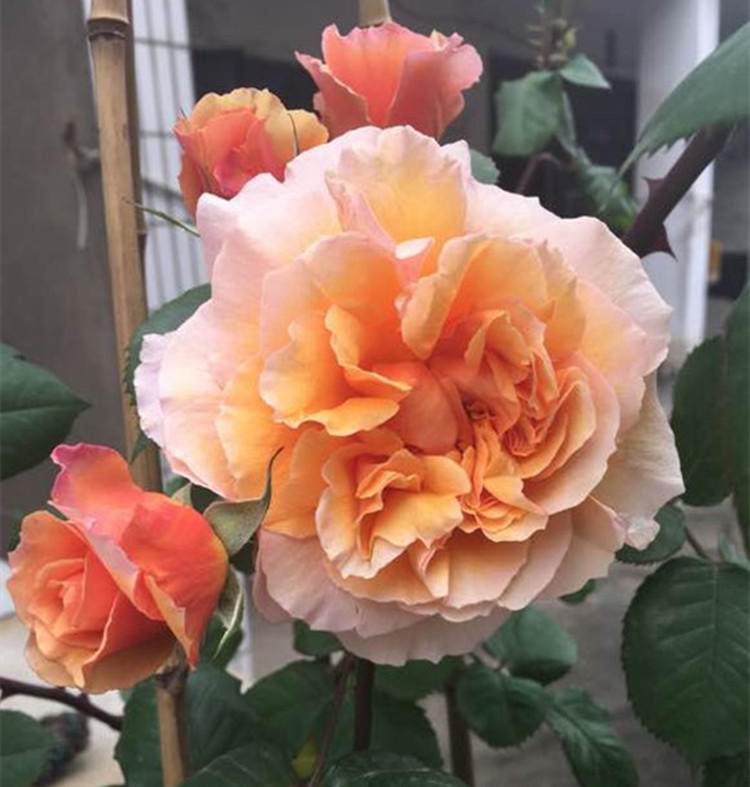
The rose is one of the famous traditional flowers, and its blooming period is quite long. The key to care lies in spring and summer. As long as they are well cared for in spring and summer, roses generally will not have major problems, and afterwards they will not stop blooming.
So, how do you care for roses well in these two seasons, spring and summer? You need to master several key technical points to make roses bloom year after year.
1. Use pine needle soil or acidic humus soil for potting. If you do not have the above soil materials, flower lovers can mix 4 parts leaf mold, 3 parts compost soil and 3 parts sandy soil into a growing medium, and add a small amount of sulfur powder to adjust the soil to be acidic.
2. When potting, apply sufficient base fertilizer. Potting or repotting should be done after flowering in spring, and be careful not to break the tender roots. After repotting, when applying organic fertilizer liquid, use an organic nutrient solution specially made for roses, but note that when diluting with water, it should be done according to the period. Generally, dilute 800 times with water during the flowering period, and 500 times with water for regular care.
3. When watering roses in spring and summer, it is best to use soft water or cooled boiled water. If flower lovers usually water roses directly with tap water, they can irrigate once every about 15 days with a 500-times dilution of ferrous sulfate solution. The potting soil should be allowed to dry and then be watered wet; water must not accumulate in the pot, otherwise roses are prone to yellowing leaves, leaf drop, and even death.
4. In spring and summer, caring for roses also requires appropriate shading, especially when the summer sun is strong, so be sure to provide proper shade. In autumn, they can get more sunlight, which is beneficial for flower bud development. After flowering, they should be kept in shade, watered less, and fertilization should be stopped; this can extend the blooming period of roses.
5. When caring for roses in summer, ventilation should be strengthened to prevent heatstroke and lower the temperature. In spring and summer, spray water into the air at least 2 times a day to increase humidity and lower the temperature. Before winter begins, move them indoors to a place with ample sunlight, and the room temperature should not exceed 18°C. Throughout winter, follow the watering principle of watering thoroughly only after the soil has dried completely.
6. After the flowers fade, the flowering branches should be cut back promptly to encourage axillary buds to sprout and send out new branches and leaves, laying the foundation for blooming the following year. If cut back too late, the new branches will not have time to carry out flower bud differentiation, and they will no longer bloom in winter and the following early spring. In addition, after cutting back, promptly supplement nutrients to the roses, diluting 500 times with water, once a week, which helps to sprout new branches.