Prevent 5 Common Rhododendron Diseases Early So the Flower Buds Can Bloom Sooner
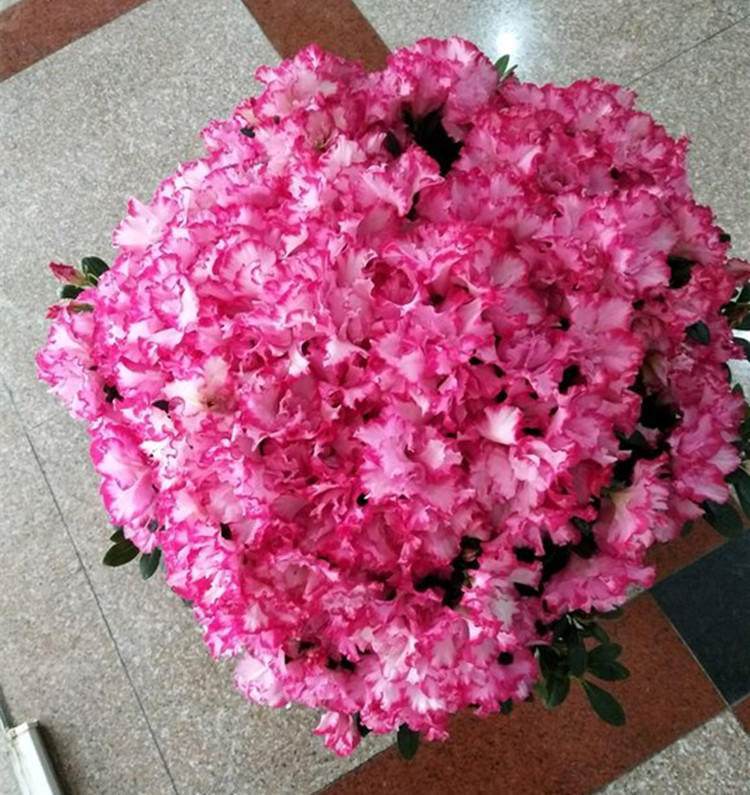
Rhododendrons, with their brilliant red blooms, are truly spectacular. With good care, they can fill a pot with flowers every year. However, in the process of caring for rhododendrons, these 5 diseases are easily encountered, and gardeners need to prevent them early so that the rhododendrons can bloom sooner.
Rhododendrons consume a large amount of nutrients when forming buds and blooming, so gardeners should apply more phosphorus and potassium fertilizer before flowering. Generally, use an organic nutrient solution diluted 500 times with water and pour it on, which can make the buds plump and prevent the flower buds from wilting. Do not apply too much nitrogen fertilizer.
When caring for rhododendrons, there are many common causes of death, mainly the following:
1. Soil damage
Rhododendrons prefer acidic soil and dislike alkaline soil. Soil in the north is mostly alkaline or nearly neutral, and using this kind of soil as a growing medium for rhododendrons will inevitably cause poor plant growth, small flowers and yellow leaves, and shriveled branch tips, eventually leading to death over time. Therefore, when growing rhododendrons, gardeners need to choose loose, breathable, well-draining soil, and can add an appropriate amount of ferrous sulfate.
2. Water damage
Because rhododendron roots are slender, with some lateral roots as thin as a hair, they are afraid of both drought and waterlogging. Watering too little causes the leaves to turn yellow and, in severe cases, the whole plant to wither and die; watering too much and keeping the potting soil wet for a long time easily leads to root rot. For watering rhododendrons, rainwater is best, followed by river water and pond water. Use a watering can with an even flow, and water thoroughly only after the soil has dried out.
3. Fertilizer damage
Rhododendrons are afraid of concentrated fertilizer and raw fertilizer. If fertilizer is applied too concentratedly, or if raw fertilizers such as rotten eggs, soybean cake, fish innards, and chicken or duck manure that have not been fermented and decomposed are applied, it will cause "root burn," leading to the plant withering and dying. This is especially true during the high-temperature summer season. Therefore, it is recommended that gardeners use diluted liquid fertilizer when fertilizing rhododendrons. An organic nutrient solution is quite suitable for absorption by rhododendron roots; dilute it 500 times with water and pour it directly at the roots once a week.
4. Root damage
Potted rhododendrons that have not been repotted or given fresh soil for many years cause the root system to become densely packed and tangled inside the pot, lacking nutrients, resulting in weak growth of the rhododendron plant. If this continues for a long time, it will also cause the plant to die. Therefore, rhododendrons need to be repotted once every 1-2 years.
5. Cold damage and high-temperature damage
Rhododendrons are easily damaged when temperatures are below 5°C or above 35°C. Especially in summer, high temperatures and stuffy heat often cause rhododendron leaves to turn yellow and drop, or even die; moving them outdoors too early in early spring is also one of the causes of rhododendron death. Therefore, rhododendron care should maintain a suitable temperature of 18-25°C, and it is recommended to move them outdoors after Qingming.