A grass with a totally harmless name, yet it is a dab hand at killing flies
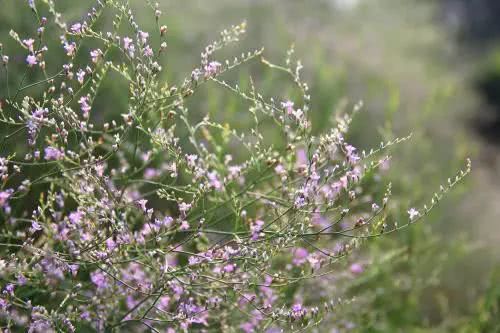
Dancing grass (Desmodium gyrans), does just hearing its name give you a lingering, tender feeling? It is also called dancing grass, and like the sunflower, it dances with the sunlight, and in this way it also shakes off insects, and some people call it "courtship grass".
1. Growing habits
It likes a dry and cool climate, strong light, and calcareous slightly alkaline soil. It is especially tolerant of poor soil and drought, with strong stress resistance, and can grow in sandy soil, gravelly soil and mildly saline-alkali land. It is a dominant plant in arid meadow communities.
2. Sowing
For dancing grass, the best sowing months are generally March to June. In the south it can be sown all year round, because the seeds need temperatures above 20°C to germinate. If you want it to germinate early, you can use a greenhouse or temperature-control equipment to maintain the temperature.
3. Cutting propagation
For cutting propagation of dancing grass, for home growing, it is best done in spring, summer and autumn. Cut a section of healthy, strong branch from the current year's growth, cut it into a piece of about five cm, leave one node and one leaf on the branch, and insert it directly into a pot of fine sand. After inserting, water it thoroughly, place it in a cool, ventilated place, and mist the leaves frequently. It usually takes about ten days to root.
4. Growing tips
After dancing grass is potted, water it well. Spring is the growing season, so fertilizer and water management need to be strengthened. It is best to apply more compound fertilizer, and before flowering you can apply more phosphorus fertilizer to promote flowering. After flowering, shade it with a shade net, which can extend the flowering period. Before winter, clean up the dead branches once. After entering winter, attention must be paid to keeping it warm; the daytime growing temperature should be kept at around 18°C, and the nighttime temperature must not be lower than 0°C, otherwise it will freeze to death.
5. Uses of dancing grass
The season from April into May is exactly when flies breed, and dancing grass can be called a natural fly-killing grass. It can release substances that lure flies, enticing them to come to the flower. Once a fly lands on the dancing grass, it will slowly die, and basically there is no return.
Dancing grass has also been a relatively popular cut flower in recent years, often used as a gift to promote friendly interaction between people. After flowering, it is a cluster of small flowers, just like a sky full of stars, giving people a delicate, charming and affectionate feeling. It is also a nice feeling to give it to a sweetheart.