Okra has the reputation of being the king of vegetables. Is it suitable for container growing on a balcony?
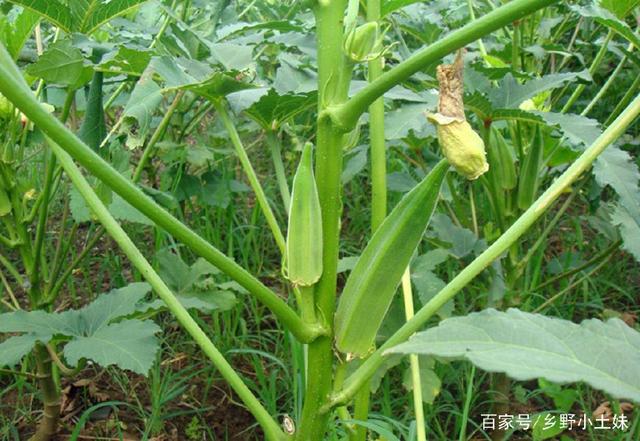
Okra is tender and fresh in texture, rich in pectin and polysaccharides, smooth on the palate, and highly nutritious. It is a new generation of premium green health vegetables. Its fruit harvest period lasts as long as 100 days, making it very suitable for courtyard planting, and balcony container growing is also a good choice.
Okra likes a warm environment with plenty of light and tolerates high temperatures. Its optimum growing temperature is 25-30°C. Balcony container growing can extend its growing period. Okra is sensitive to light and is a long-day crop, so when grown in containers on a balcony it should receive as much sunlight as possible; otherwise it grows thin and weak, and flowering and fruiting are poor.
Okra is not demanding about potting soil, but loose, fertile loam with good drainage is best. Okra is drought-tolerant and moisture-tolerant but not waterlogging-tolerant, so watering should follow the principle of letting the soil dry between waterings. Fertilizing should mainly use fully decomposed organic fertilizer.
The fruits age easily, so they must be harvested promptly, generally once every 1-3 days. When harvesting, use scissors to cut them off at the fruit stalk. The standard for harvesting is tender fruits that are firm and pliable, green and bright, with seeds beginning to swell but showing no signs of aging.
Okra fruits can be served cold with dressing, stir-fried, made into soup, or pickled, among other methods. If the harvested fruits cannot be eaten right away, they can be blanched, cooled in cold water, and stored in the refrigerator.