Be careful of root rot from overwatering; daily care requires caution
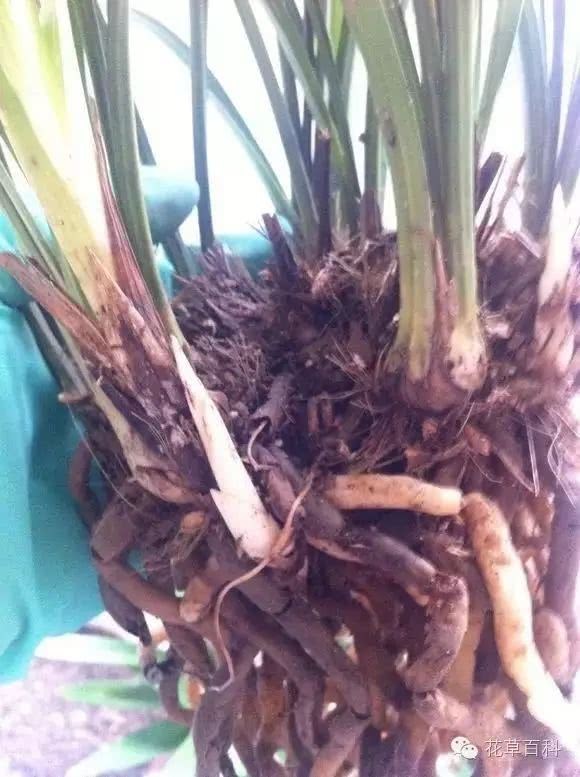
Although autumn has arrived, the weather is still hot and cold at times. If you are an overwaterer, and coincidentally the soil is not breathable, and coincidentally the air is not circulating, then your plants will definitely get root rot! The editor will tell you how right now!
I. How to Treat Root Rot
When it comes to plant root rot, we first need to treat plants differently. For example, succulents, orchid family plants, woody plants, and herbaceous plants - these major categories also involve individual varieties. Not all plants with root rot are treated the same way. You need to apply what you learn flexibly and must not blindly copy the methods.
The common treatment methods for plant root rot are mainly divided into the following three types:
1Clean up and replant
Clean the rotted parts, then disinfect, let dry, and replant. This method is mainly for plants whose roots have not completely rotted, such as clivia, orchids, etc. The specific steps are as follows:
1. Remove the plant from the pot, pick away the surrounding old soil, find the rotted root area, and use scissors to cut off the rotted roots from their base.
2. Disinfect the wound with 0.1% potassium permanganate solution, or apply clean plant ash to the wound, then repot or plant in the ground.
3. When potting or planting in the ground, surround the wound and severely damaged root parts with clean wet sand, then cover with clean cultivation soil to promote new root growth at the wound.
4. While repotting, heavily prune the branches and leaves; sometimes to ensure survival, 80%-90% of the branches and leaves need to be cut off.
5. During the plant's recovery, keep the potting soil breathable, absolutely do not fertilize, and do not let the potting soil get rained on, to prevent root rot from recurring.
2Propagate from cuttings using branches or leaves
For example, succulents, gloxinia, Peperomia, geraniums, wax begonias, etc., when their roots rot, you can use branches or leaves to propagate anew. Of course, they must be healthy branches and leaves - not rotted and robust.
3Discovered too late, beyond saving
Some large woody potted plants, such as money trees, once root rot occurs, the chance of saving them is less than 10%. In most cases, they will slowly die, because by the time root rot is discovered, it is already too late.
So usually you must observe your plants more, detect early, and treat early. So how do you detect that a plant has root rot? Here are some tips - let's learn together.
II. How to Identify Flower Root Rot
The root system is one of the most important organs for plant growth and development. If an accurate diagnosis can be made in the early to mid-stages of root rot and rescue measures taken, the death of some plants can be avoided.
1Check the potting soil
In summer and autumn, for normally growing flowering plants, water thoroughly once on a clear day, then check the potting soil at the same time the next day. If the potting soil is drying and showing slight white, the roots are normal;
If the potting soil does not dry out and turn white but remains moist, it indicates that the plant's roots have already begun to rot;
If after 2-3 days it is still as moist as before, it indicates that most of the plant's root system has rotted.
2Check leaf color
If you have several pots of the same type of flowering plant, place them together. If you find that one plant's leaves have lost their green color and luster, appearing grayish-white, or the plant's leaves are wilted, or the lower leaves are yellowing and dropping in large numbers outside the normal leaf-shedding season, it indicates that the plant's nutrient roots have rotted due to waterlogging, fertilizing, or sudden heavy watering after extreme drought.
3Check leaf shape
If the leaves of a potted flowering plant show longitudinal wrinkling and deformities, it also indicates that the plant's root system has rotted. This mainly occurs in fleshy-rooted flower species, such as bird of paradise, clivia, etc. Because the lower nutrient roots have rotted, the parts of the leaves connected to them cannot get the proper water and nutrients, causing those parts to stop growing or even shrink. Growth becomes unsynchronized, leading to longitudinal wrinkling and deformities of the leaves. Although this situation will not cause the plant's death, it will affect the plant's normal growth and ornamental value.
4Check leaf tips
Some flowering plant species, after being grown for a period of time, will develop scorched tips on the leaves. There are two reasons for this.
One is that the plant's root tips extend and press against the pot wall. When watered under conditions of high air and soil temperature, the nutrient-functioning parts at the tips of the fleshy roots become damaged and rot, so water and nutrients cannot be transported to the leaf tips, causing the leaf tip parts to die.
The other situation is that the pot is large and the plant is small, and the potting soil remains waterlogged for a long time, causing the root tips to rot and lose their nutrient function. If yellow-brown patches appear in the middle or on the edges of the leaves, then the possibility of disease should be considered.
5By feel
For some flowering plants or tree stumps, such as five-needle pine, cypress species, Buddhist pine, orchids, camellias, etc., when their leaf color appears abnormal, you can gently touch their leaves with your hand and judge by feel. For plants whose leaves lack vitality due to root rot, the fingertips will feel dry and warm, without the moist, cool feel of normal leaves.
III. How to Prevent Root Rot
Root rot is truly one of the biggest killers of plants. So to avoid this situation, pay attention to the following points in daily care:
1Water moderately
Water moderately, not too frequently - this is a common mistake made by many beginners at growing flowers. You should follow the principle of "water when dry, stop when wet." This is especially important during the plant's dormant period and the early stages of potting or repotting.
2Fertilizer must be fully decomposed
Various organic materials mixed into the growing soil, such as leaf mold, pen manure, sawdust, farmyard manure, stable manure, organic waste, etc., must all undergo a long period of full fermentation and decomposition before use. Never use raw fertilizer, otherwise when raw fertilizer ferments, the temperature gets too high and will cause the roots to burn and rot.
3Fertilize scientifically
When applying supplemental fertilizer to potted plants, the amount and concentration must not be too high. Follow the principle of "small amounts, many times" as much as possible. Too much will also burn and rot the roots.
4Soil must be breathable
Ensure the potting soil drains well. When watering potted flowers, if water accumulates on the surface of the potting soil and does not seep down for a long time, this can be caused by the following reasons:
1. The new potting soil is clayey soil, containing no organic matter or fine sand, so water barely seeps through. Therefore, moderately add organic humus, river sand, furnace slag, coal ash, and other components to ensure the growing medium has good aeration and drainage performance.
2. The tile piece over the drainage hole at the bottom of the pot has blocked the hole, or the gravel layer at the bottom of the pot is too thin, or there is no gravel drainage layer at all, resulting in poor water seepage.
3. The potted flower has not been repotted for many years, and the roots have filled the pot and formed a tangled ball, making it difficult for water to seep down. So excess fibrous roots should be trimmed, otherwise over time water will accumulate and cause root rot and death.