Ten Plants That Purify the Air and Effectively Improve Indoor Air Quality
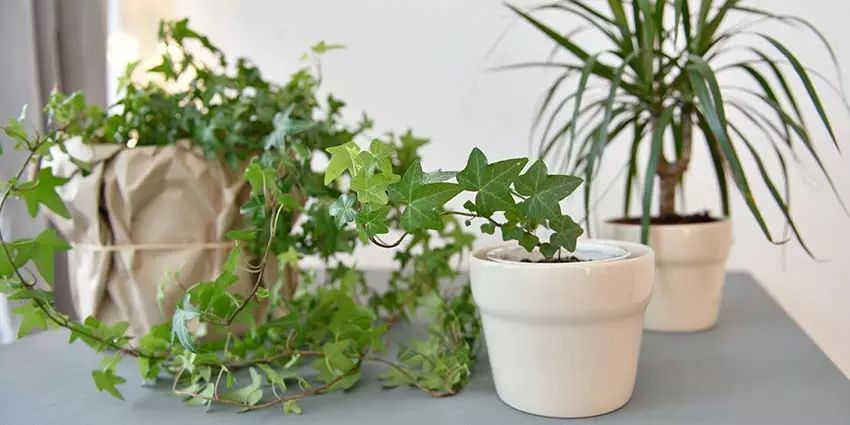
Many scientists are now studying the air-purifying effects of indoor plants, and they have found that many different indoor plants can help purify the air. Some plants can also filter out harmful chemicals from indoor air, making the air healthier to breathe. The plants below are all very common and fairly inexpensive, making them great for growing at home to effectively improve indoor air quality.
Below I will introduce ten potted plants that are excellent at purifying indoor air. Most of them can be found at flower shops or garden centers. You only need to grow one or two pots and take good care of them, and they will effectively filter indoor chemicals such as the common formaldehyde and benzene, while also increasing indoor oxygen levels.
Number One: Aloe Vera
Aloe vera is very effective at healing wounds, and many people grow it at home. The gel inside its leaves can help heal burns or cuts, and aloe vera can also greatly improve indoor air quality. It is very easy to grow.
Most people kill it by overwatering. It is a very drought-tolerant succulent that does not need frequent attention. Place it on a sunny windowsill and let the soil dry out completely before watering thoroughly, and it will maintain excellent purifying effects. It can also remove harmful gases such as benzene produced by certain chemical cleaning agents.
Number Two: Peace Lily
The peace lily is a very beautiful potted flowering plant with excellent indoor air-purifying effects. Through the spores on its leaves, it can absorb harmful gases and take them in as nutrients through its roots, and it can help reduce the growth of mold spores in the home.
The peace lily is very suitable for growing in a bedroom or bathroom. It does not need too much light, and growing it in a bathroom can help prevent curtains from becoming moldy. It can also absorb harmful gases from alcohol or acetone.
Number Three: Spider Plant
The spider plant is an especially common indoor plant and one of the easiest plants I have ever grown. It can remove up to about 90% of toxins from indoor air in a short time.
The spider plant's leaves grow very quickly and can help absorb mold and other allergenic harmful substances. It is a perfect plant for people with dust allergies, and it can also help absorb trace amounts of formaldehyde and carbon monoxide.
Number Four: English Ivy
If you have pets at home, having a pot of English ivy is a good choice. It can reduce the odor of feces in the air and can also absorb some of the formaldehyde produced by household cleaning tools or furniture.
In offices with insufficient sunlight and a relatively cool environment, growing a few pots of English ivy is a great choice. It can absorb trace amounts of benzene produced by commonly used office equipment, helping to improve environmental quality.
Number Five: Boston Fern
This ornamental fern is one of the most popular indoor plants. It is very effective at maintaining indoor air humidity and fresh air, and can even act as a humidifier, helping to restore moisture to the air. It is very suitable for friends with dry skin. The Boston fern can also purify formaldehyde very well. If you do not have much space at home, you can grow it as a hanging basket.
For care, provide fairly ample indirect light regularly and mist it with water regularly to avoid the air becoming dry after the soil dries out excessively.
Number Six: Heartleaf Philodendron
The heartleaf philodendron is a very common climbing plant and is very suitable for families with children or pets. Its leaves are leathery, its stems are relatively sturdy, and it is easy to grow. It can purify indoor formaldehyde, is relatively easy to care for, and is suitable for growing as a hanging basket so that children and pets cannot reach it.
Number Seven: Monstera
Monstera is a very common tropical foliage plant and is also very suitable for growing indoors. It can purify indoor air very well and maintain a certain level of humidity. For care, be sure to maintain a warm and humid environment year-round and avoid excessive dryness or temperatures that are too low.
Number Eight: African Violet
The flowers of the African violet are generally purple, which is comfortable to look at, can stimulate the release of adrenaline, and can effectively increase oxygen, helping you relax.
This plant is very small and very easy to care for. It likes bright indirect light and can also grow well under artificial light. It is especially suitable for households that want to grow flowering plants but do not have much sunlight at home.
Number Nine: Silver Queen
Silver Queen is very easy to care for. As an indoor potted plant, it can effectively get rid of some indoor air pollutants. With its year-round variegated leaves, it can help remove various harmful chemical toxins produced by indoor cleaning agents.
Number Ten: Gerbera Daisy
The gerbera daisy is an indoor potted plant that likes light relatively much. If your windowsill or balcony has fairly ample sunlight, you can grow a pot of gerbera daisy. It likes a warm and moist environment year-round and can also effectively improve air quality, helping to filter common chemicals such as benzene. It likes direct sunlight, so growing it on a windowsill or balcony is very suitable.