Grow Cymbidium orchids this way, and blooming with thousands of layered flowers is easy
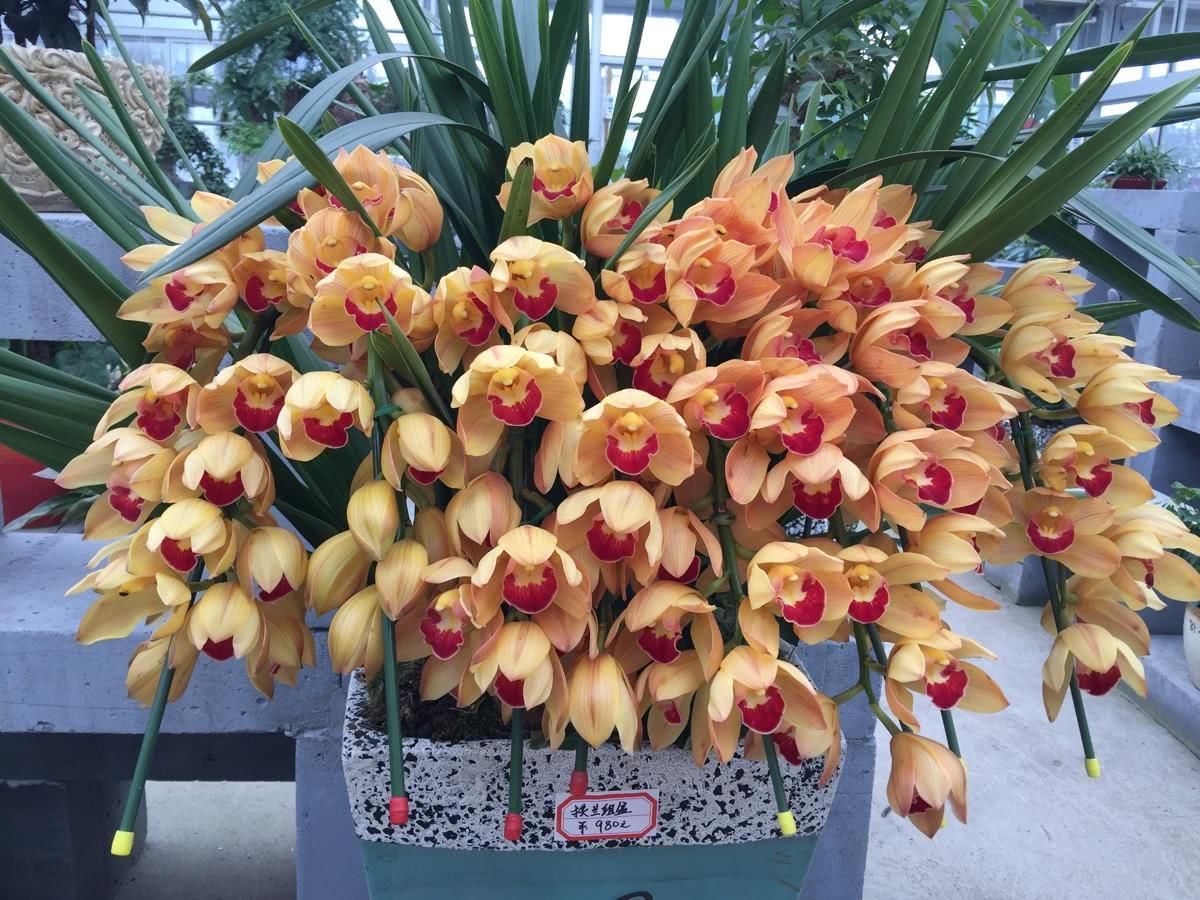
A newly potted Cymbidium orchid needs a period of time to acclimate to its pot. During this period, keep it in a cool spot with bright, indirect light and keep the potting soil moist. If it settles in quickly, it will finish acclimating in about a week; if it is slower, it will take about half a month to finish acclimating. After the acclimation period ends, it can be cared for normally, and you can wait for it to bloom the following year.
Watering
The swollen pseudobulbs of Cymbidium orchids store water, so they have a certain degree of drought tolerance. When water is plentiful, the swollen pseudobulbs are plump; when water is insufficient, the swollen pseudobulbs shrivel. In day-to-day care, we can water by observing the swollen pseudobulbs. When summer temperatures are high, not only should you water normally, but you should also spray the leaves more often to cool them and increase humidity.
Fertilizing
Cymbidium orchids need a relatively large amount of fertilizer. If nutrients are insufficient, they are not easy to bloom. Generally, during the peak growing season, fertilizer should be applied once every ten days, and a diluted organic fertilizer is best. In the spring and summer peak growing season, a compound fertilizer with a relatively balanced ratio of nitrogen, phosphorus, and potassium is suitable. Starting in autumn, apply more phosphorus and potassium fertilizer, or you can directly spray potassium dihydrogen phosphate on the leaves to promote flower bud differentiation and encourage blooming.
Light
Cymbidium orchids like light, but they cannot be exposed to direct sunlight, otherwise the leaves turn yellow and growth slows. In spring and autumn, shading needs to reach 50%; in summer, shading should be more than 60%. In winter, they can get more sun, which helps produce flower buds and more blooms.
Ventilation
Cymbidium orchids like an environment with relatively good air circulation. If air circulation is poor, it will affect the sprouting and growth of new shoots. Therefore, after Qingming, when the temperature reaches above 10 degrees, they should gradually be moved outdoors for care, and when the temperature drops again after Mid-Autumn in autumn, they should be moved back indoors. This is more helpful for Cymbidium orchids to get through summer, and they can also produce more side shoots and more flowers.
The blooming period of Cymbidium orchids is in winter. During blooming, do not fertilize and reduce watering appropriately, which can extend the blooming period. In addition, the nighttime temperature in winter should not exceed 20 degrees, otherwise it is not easy for them to bloom. The nighttime temperature should be kept at 10~15 degrees, and the daytime temperature should be kept at 20~25 degrees. With a temperature difference of about ten degrees, they will bloom easily.
At present, everyone's Cymbidium orchids should have finished blooming, and some may even have new shoots sprouting. If the plant is too large, it can be divided into separate pots, and then after the acclimation period ends, moved outdoors for care. If it is cared for indoors, be sure to open the windows often for ventilation, otherwise it will not bloom much the following year.