How to prevent and control common pests and diseases of rose (Chinese rose) in spring
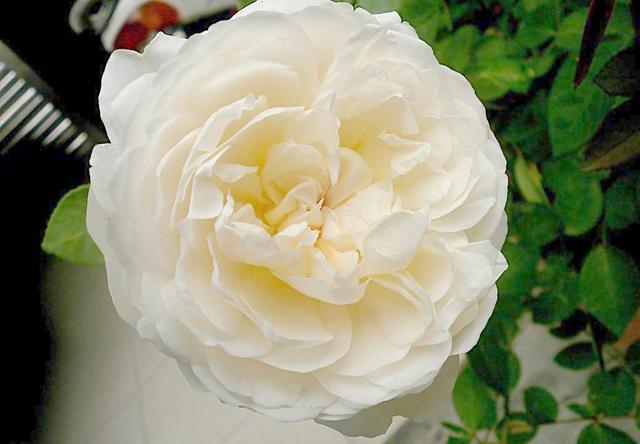
The Chinese rose has an appearance very similar to that of a rose, and comes in many attractive colors such as pink and pale yellow, so many people like to grow Chinese roses, and many parks also plant large areas of Chinese roses for visitors to enjoy. The Chinese rose is a fairly easy plant to grow, its ability to adapt to the environment is quite good, and its flowering period is also long, so it can be seen blooming during many periods of the year.
The Chinese rose particularly likes warm climates and places with plenty of sunshine, so when we grow Chinese roses we basically always take the sunlight intensity in the environment into consideration, but there is another factor that cannot be ignored, and this factor also has a considerable effect on the growth of the Chinese rose, namely the prevention and control of pests and diseases.
Any plant with a fragile root system will have relatively weak immunity to pests and diseases, especially in spring, a season when all things grow, when large numbers of pests will attack their root systems and hinder their development. So for a plant like the Chinese rose, how exactly should pests and diseases be prevented and controlled?
1. Since there are many kinds of pests and diseases, here we only discuss how to prevent and control the most common ones. During periods of high summer temperatures, [they] grow rapidly, and the Chinese rose then becomes especially prone to a kind of gray mold disease. When you see the petals of the Chinese rose turning yellow, do not simply assume that it is the result of the Chinese rose lacking water due to the high summer temperatures; sometimes watering more is not enough to solve this problem. We should first remove these diseased petals. After removing them, they cannot simply be thrown into the trash can, because the petals that have gray mold carry bacteria, and if they are not disposed of properly, these pathogens will spread through the air, and the remaining intact petals may also be affected. We can put these rotten petals together in one place and then burn them clean with fire.
2. Aphid infestation is also a relatively common type of pest and disease problem. In fact, aphids are something most of us have seen; on clothing and petals or on the branches and leaves of flowers, they are green all over and very small in size. These insects usually appear in groups, so densely packed that they are hard to deal with. We can spray dichlorvos, or catch some seven-spot ladybirds to prey on the aphids.
3. Dieback (dead branch disease) is a disease that the Chinese rose is relatively prone to in winter. As with the treatment for gray mold, we need to burn the dead branches to prevent the Chinese rose from being infected a second time. It should be noted that when pruning the dead branches, try not to choose cold and damp weather, because the branches and leaves after pruning are relatively fragile and tend to die in rainy weather.