Water yellowing flowers with a little vinegar, and in 5 days they turn green again, with results comparable to a magic elixir
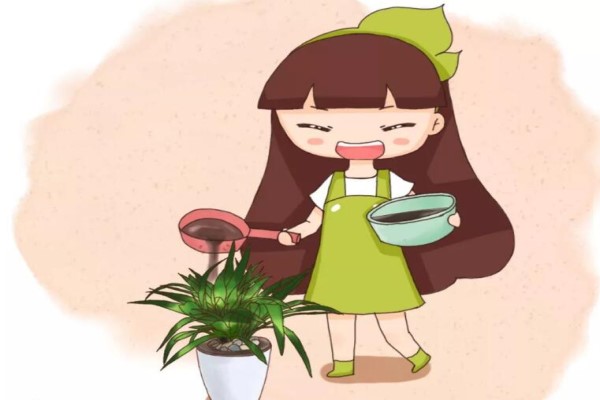
Pour a little vinegar into the soil, and yellow leaves turn green
Camellias, gardenias, Chinese roses and other such flowers prefer slightly acidic soil. If the soil becomes saline-alkaline, the leaves will turn yellow.
Solution:
Mix salt-free edible vinegar with water at a ratio of 1:50 to make a solution, and pour it into the soil. This can both improve the degree of soil salinity and alkalinity and prevent pests and diseases caused by soil salinization.
Spray a little vinegar on the leaves, and the leaves turn lush green
Many flower growers like to keep foliage plants at home, such as spider plants and pothos. Their leaves often become dull and dusty, which greatly affects their ornamental value. At times like this, edible vinegar comes in handy!
Solution:
Mix edible vinegar and clean water at a ratio of 1:300, and spray it on the plant leaves before 10 a.m. and after 4 p.m., once every 10 days, for 4-5 times in a row.
Dilute with water and apply, and eliminate pests and diseases
The most annoying thing about growing flowers is running into pests and diseases such as aphids and red spider mites. Once one flower has pests or diseases, basically the other flowers cannot escape either.
Solution:
Mix edible vinegar with water at a ratio of 1:100. Dip a cotton swab in the vinegar water and apply it to the places with aphids or red spider mites, once every 5-7 days, for 3-5 times in a row.
Spray edible vinegar diluted with water to promote flower growth
How to make flowers grow better and bloom more is probably a concern for every flower grower. Mixing edible vinegar with water at the right ratio can achieve the effect of promoting flower growth.
Solution:
Mix edible vinegar with water at a ratio of 1:300, and spray the whole plant before the flower buds form. Spray once every fifteen days to increase the number of flowers and promote the growth of branches and stems.
Soak in rice vinegar diluted with water to encourage thick white roots
Many flower growers like to try cuttings to make more flowers at home. Getting the cut branches and leaves to root is an important step for successful cuttings. Huahua would like to recommend a homemade rooting agent.
Solution:
Mix rice vinegar with water at a ratio of 1:100 to make a rice vinegar aqueous solution, and soak the branches to be cut for more than 8 hours. This can promote rooting of the branches and increase the survival rate of cuttings.
Spray edible vinegar diluted with water to enhance disease resistance
Friends who like growing Chinese roses probably hate it most when their flowers catch powdery mildew. Huahua has a tip for everyone that can prevent and treat powdery mildew in Chinese roses. Rhododendrons suffering from black spot disease can also try this method.
Solution:
Mix edible vinegar with water at a ratio of 1:150, and spray it toward the affected parts, once a week, for 3-4 times in a row, and it can be brought under a certain degree of control.
Precautions for using edible vinegar
1. Choose salt-free edible vinegar. Because salt harms the plant roots, when choosing edible vinegar, be sure to check whether salt (NaCl) is listed in the ingredients.
2. The concentration must strictly follow the ratio. Do not increase the amount of vinegar, otherwise it can easily cause the flowers to wilt.
3. Control the spraying time to the morning and evening, that is, before 10 a.m. and after 4 p.m. At this time, the water temperature is roughly the same as the flower's temperature, so it will not harm the flower.
4. The use of edible vinegar is only suitable for flowers that prefer neutral or slightly acidic soil. For flowers that prefer alkaline soil, such as cacti and succulents, it is best not to try it.
Have you learned the "edible vinegar method" that is comparable to a magic elixir?
That is all Huahua has to share with everyone today.
If you think the article is not bad,
you can share it with your friends~