No need to buy nitrogen, phosphorus and potassium fertilizers - making your own is convenient and cheap, and flower buds keep popping out nonstop
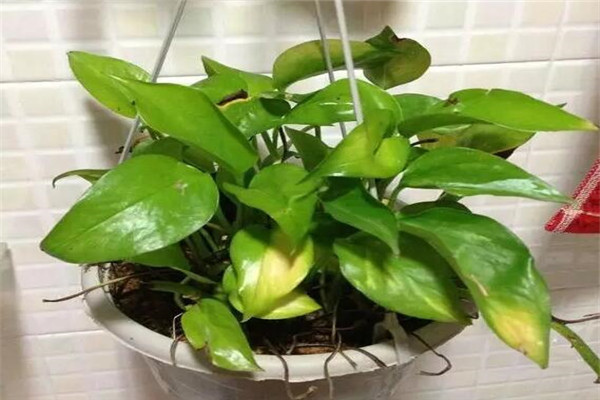
Effects of nitrogen fertilizer
Nitrogen fertilizer mainly promotes the growth of flower branches and leaves, making the branches and leaves more glossy and lush, and the stems sturdier and more upright.
1. Lack of nitrogen fertilizer
When flowers lack nitrogen fertilizer, the plants become short and small, the leaves are narrow and small, the leaf color is dull, the old leaves at the bottom easily turn yellow and fall off, and the branches are thin and weak.
2. Too much nitrogen fertilizer
Too much nitrogen fertilizer causes excessive vegetative growth of stems and leaves, inhibits flower bud formation, and makes the branches and leaves tender, making them susceptible to pests and diseases.
Homemade nitrogen fertilizer
There are many ways to make nitrogen fertilizer yourself, including decomposed melon and fruit peels, beans and so on. Today, Huahua will teach everyone how to make decomposed nitrogen fertilizer at home.
1. Boil the waste materials
Damp peanuts, dragon fruit peels, expired milk powder. (Crush the peanuts, cut the peels into small pieces, pour the milk powder into the pot.)
2. Boil repeatedly 3 times
After bringing to a boil, collect the liquid in a plastic bucket. Add water to the remaining waste materials and boil again, repeating the cycle 3 times.
3. Store sealed
After it cools, store it sealed, and open the lid every 3-5 days to let it breathe.
4. Bottle the clear liquid
After sealing for two months, you can bottle the clear liquid, and bury the residue in the soil.
Use: Apply the liquid nitrogen fertilizer once a week, do not use too much at one time, and apply it at a ratio of 1:100. Excessive fertilizer will cause root burn.
Effects of phosphorus fertilizer
Phosphorus fertilizer can make flower stems and branches tough, promote flower bud formation, make flowers larger and more brightly colored, make fruits ripen early, and can also make flowers grow and develop well, produce more new roots, and improve cold and drought resistance.
Lack of phosphorus fertilizer
When phosphorus fertilizer is insufficient, flowers grow slowly, the leaves are small, the flowers and fruits are small, and they mature late. The areas between the veins of the lower leaves turn yellow first and then appear purplish red.
Homemade phosphorus fertilizer
Organic fertilizers with more phosphorus include bone meal, rice bran, fish scales, poultry manure and so on. Inorganic phosphorus fertilizers include superphosphate, phosphate rock powder, calcium magnesium phosphate fertilizer and so on. Today, the phosphorus fertilizer Huahua will teach everyone to make at home is bone meal.
1. Soak to dilute the salt
Take a large basin of clean water and put the leftover animal bones - pork ribs, fish bones and so on - in to soak for a day, to dilute the salt.
2. Sun-dry and crush
Put the soaked bones under the sun to dry for a few days, and once they feel brittle, crush and grind them into bone meal.
Use: Apply the bone meal 6-8 cm from the side of the plant roots, or bury it at the bottom of the potting soil.
Effects of potassium fertilizer
Potassium fertilizer can make flower stems strong, improve resistance to pests and diseases, cold, drought and lodging, and promote well-developed roots.
1. Lack of potassium fertilizer
Potassium deficiency causes necrotic spots on the leaf edges of flowers. At first, spots appear on the lower old leaves, the leaf edges and tips begin to turn yellow, and then scorch and die.
2. Too much potassium fertilizer
Excess potassium fertilizer can cause the whole flower plant to become dwarfed, the leaf color to turn yellow, and even die.
Homemade potassium fertilizer
The leftover tea water you usually drink, wood ash water and so on are all excellent potassium fertilizers. The most representative organic potassium fertilizer is undoubtedly wood ash. Today, Huahua will teach everyone how to make wood ash.
1. Light a fire and burn
Choose dry branches, dry grass and so on, light a fire and burn them.
2. Put out with water
When it burns to a blackish gray color, promptly splash water to put out the fire.
Use: Sprinkle the wood ash on the soil surface. Each time you water, the wood ash will enter the soil along with the water.
Now you know how to use flower fertilizer, right?
Hope gardening friends grow even more beautiful flowers!
If you think the article is pretty good
You can share it with friends~