Potted plants getting uglier the longer you grow them? Add a little vinegar to the flowerpot, and your flowers will be beautiful and grow fast
Using vinegar to grow flowers can treat the problem of yellow leaves and also prevent chlorosis in flowers. When rhododendrons, jasmine, gardenias and the like develop chlorosis due to unsuitable soil pH, we can use vinegar for effective treatment. The flowers will no longer have yellow leaves, and naturally they will grow green and glossy.
When growing southern flowers in the north, mixing an appropriate amount of edible vinegar into the water when watering the potting soil can promote the absorption of trace elements such as phosphorus and iron and prevent yellowing of branches and leaves. Spraying leaves and flower buds with about 40% vinegar solution can increase the accumulation of photosynthetic products, making flowers larger, leaves greener and flowers more vivid. Potted flowers that have been given organic fertilizer will have a fishy, foul smell when placed indoors. If an appropriate amount of vinegar solution is watered in, it can not only eliminate the odor but also sterilize and disinfect the soil.
Edible vinegar can be used to adjust soil pH and maintain a certain acidity in the potting soil, avoiding poor growth and yellowing leaves in acid-loving flowers grown in alkaline soil. Spraying vinegar solution on flower leaves can make the leaves oily green and glossy, thereby improving the ornamental value of the flowers. Doing so can also keep the leaves clean, remove dust and water stains from the leaves, and let the plants carry out photosynthesis better.
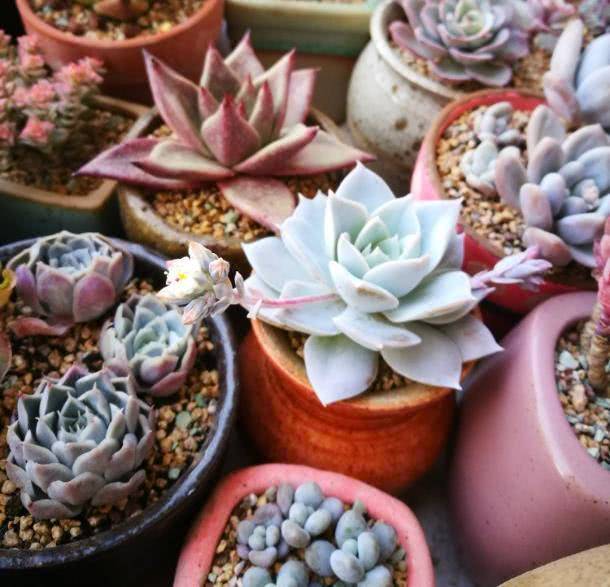
Can diluted vinegar be used to water succulents? Yes, a weakly acidic environment is very beneficial to the growth of succulents, but there are several points to note when using it: the vinegar used must be vinegar essence, not green vinegar or white vinegar. The pH value should be between 5 and 6, and must not be too low. It should not be used too frequently. Now let's talk about the money tree (Pachira aquatica). In winter, the most common problem during the care of a money tree is yellowing leaves. The main reason is that the plant's root system lacks iron. Watering with an appropriate amount of white vinegar can fully promote its absorption capacity.
When hydrangeas, Chinese roses and the like develop powdery mildew or black spot, vinegar can also be used for treatment. Once the powdery mildew and black spot disease are cured, the flowers will soon grow vigorously again! Specific method: drip a few drops of vinegar into clean water, about 3 to 4 drops for 500 ml of water, to obtain a diluted vinegar solution. Spray the diluted solution on the leaf surface affected by powdery mildew or black spot, twice a week.
Vinegar also has a deodorizing effect. Some flower lovers like to compost organic fertilizer at home to grow flowers, commonly including rice-washing water, soybeans, fish-washing water and so on. After such fertilizer is composted, the nutrients are relatively complete and the fertilizer effect is long-lasting, so it works very well for growing flowers. But organic fertilizer often produces a foul smell during composting. At this time, you can add a little edible vinegar to the composted fertilizer, which can effectively eliminate the odor of the liquid fertilizer.
This is a gathering place for succulent lovers, sharing succulent care tips. Welcome to follow and exchange ideas.