Grow spider plants like this in spring: roots as thick as radishes, leaves 2 fingers wide, and a full pot in one month
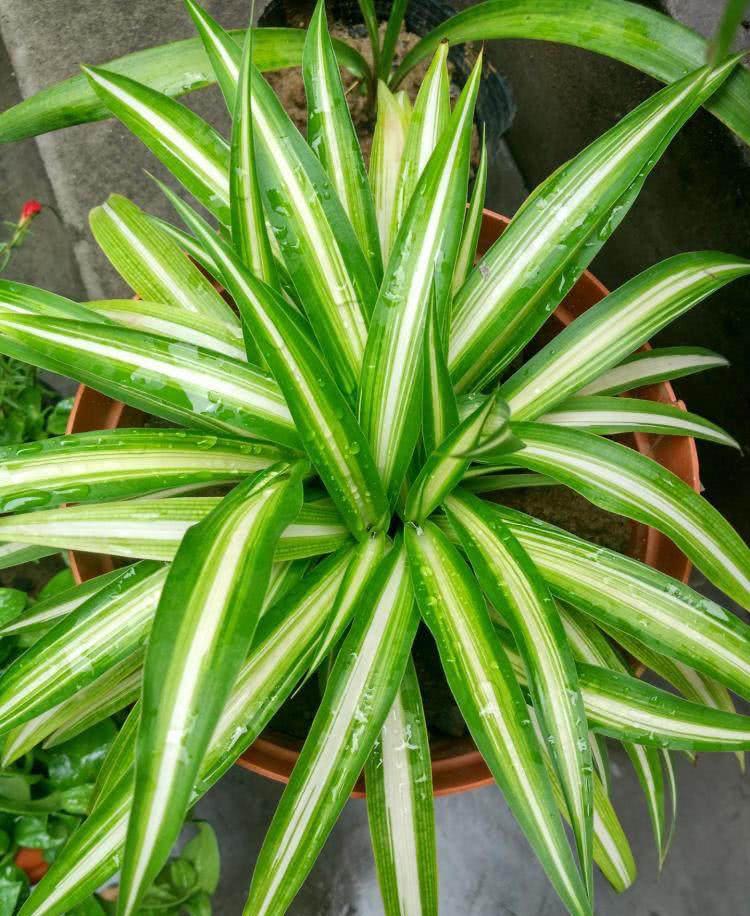
Spider plants can absorb formaldehyde and other harmful gases from the air. Many friends keep a pot at home to purify the air and decorate their living space, and they are very easy to grow. Some flower lovers ask why their spider plants always have dry tips and yellow leaves and never seem to grow. Why is that? Actually, growing spider plants well also requires understanding their habits.
Routine care for spider plants
1. Watering,
Spider plants have very thick, large roots, sometimes called radish roots. They are fairly drought-tolerant; even if you do not water them for more than ten days, it does not matter much. The leaves will only wilt, and they will recover after watering. During the growing season, keeping the potting soil slightly moist is enough. Too much water and waterlogged soil easily cause root rot.
2. Light
Spider plants like sunlight but cannot take direct sun. It is best to place them somewhere with plenty of bright indirect light or in partial shade. If the light is too strong, dry tips and yellow leaves are most likely. It is best to mist the leaves; when the air humidity is higher, yellow leaves and dry tips are less likely.
3. Fertilizing,
If you want spider plants to grow broad, oily-green leaves, apply some nitrogen fertilizer regularly. During the growing season, applying it once or twice a month is enough. Many friends also say they have grown them for many years and never fertilized, only watering with fermented rice water. In fact, fermented rice water is a very good nitrogen fertilizer.
4. Producing runners,
Some friends' spider plants have lush branches and leaves but simply do not produce runners. In fact, spider plants produce runners only under certain conditions. Newly bought spider plants or cuttings all go through a process of root growth. Only when the roots are well grown, have filled the pot, and feel they have nowhere left to grow will they produce runners. So if we want spider plants to produce runners, we can grow them in a small pot. If we want broad, oily-green leaves, then grow them in a large pot. Once the roots have filled the pot, they can likewise produce many runners.
5. Repotting
Spider plants grow very fast and have many roots, so we need to repot them once every one to two years. Otherwise, the pot will be full of big white roots. If a spider plant has really grown too large, you can also cut off the small plantlets and replant them as a new pot. Replanted spider plants grow faster than old ones and also have better ornamental value.
If watering, fertilizing and light are suitable, spider plants grow very fast, with fresh green, lush leaves, and filling a pot in one month is easy.