Pothos keeps getting yellow leaves and root rot? Bury a little of this in the pot and it will soak up water and grow vigorously without yellowing leaves
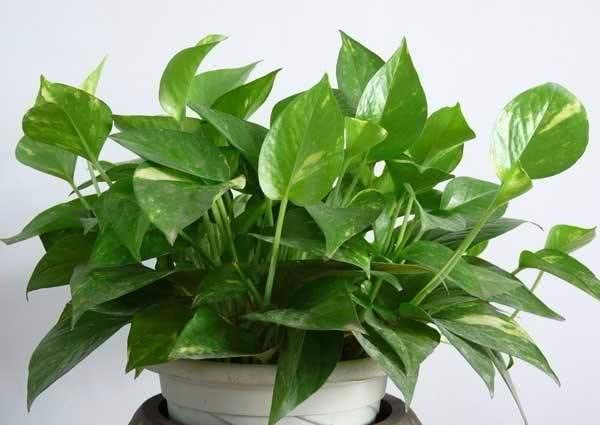
Pothos is a common household potted plant, but many friends cannot grow it well and always end up with root rot and yellow leaves. What is going on, and what should we do to grow pothos well?
1. Soil
Generally, the pothos potted plants sold on the market have soil with very good drainage. Some have rice straw husks added, and some use specially prepared nutrient soil. For pothos bought from a regular market, it is not recommended to immediately discard the original soil. First use the original soil and original flower pot to grow it for three months, and wait until the pothos has fully adapted to the environment before considering repotting. When repotting, you can add your own prepared soil on top of the original soil. It is best to add some sand, leaf mold and the like to the soil to enhance drainage. No matter how you grow it, root rot is not likely.
2. Watering
Pothos likes moisture and cannot be allowed to dry out, but it also cannot be waterlogged. Too little watering makes the leaves wilt, while too much watering easily causes root rot. Each time you water, feel the potting soil. When the potting soil is dry, water thoroughly, then place it in a ventilated spot to air out a little, reducing the water content in the soil. This can greatly lower the possibility of root rot. In winter, generally water once every three to four days, and in summer once every one to two days, mainly depending on the environment where you are. If you grow pothos in the north, when the weather is too dry, spray water on the leaf surface, but do not frequently add water to the pot.
3. What to do about root rot
After discovering that the pothos at home has root rot, promptly pull it out and clean away the yellowed leaves and rotted roots, then wash it clean and soak it in carbendazim, let it dry clean, and replant it in healthy potting soil. Pay attention to shading and watering, and it will survive again.
In short, most pothos root rot is caused by watering. If you do not know how to water, use the previous watering interval for your pothos, and for newly bought pothos reduce the watering frequency by one half. If you want pothos not to suffer root rot, besides paying attention to watering, you also need to pay attention to ventilation. Ventilating from time to time is also very good.