Growing roses in summer: add a handful of dregs and a handful of leaves, and they bloom as usual
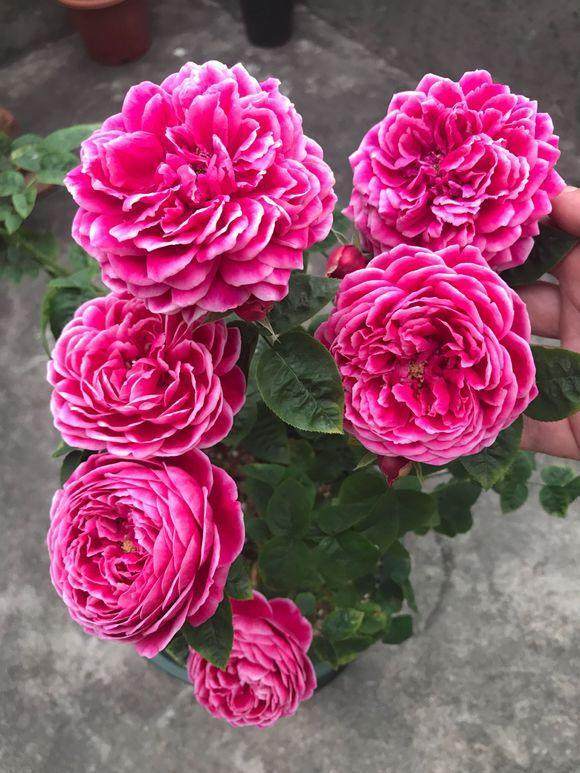
Summer is coming soon, and for rose growers this is the toughest season of all. So, if you want your roses at home to bloom beautifully and make it safely through the summer, we need to put some thought into it: give the roses a handful of dregs and a handful of leaves, and the roses will bloom as usual.
1. A handful of dregs: bagasse
According to the growth habits of roses, growing roses in summer requires choosing a "handful of dregs" that is light, loose, highly permeable to water and air, good at holding water and retaining fertilizer, rich in humus, and abundant in organic nutrients - bagasse - for cultivation.
Using bagasse to grow roses has many advantages:
First, bagasse has a wide range of sources and comes in large quantities, making it easy to collect in summer; second, roses grown with bagasse grow noticeably more vigorously than those grown in other potting soils, with well-developed root systems, more new shoots, a longer flowering period, thick and plump leaves with a deep green and glossy color, and fewer pests and diseases.
How to use it:
First break up the bagasse, compost and ferment it, then expose it to sunlight to sterilize it, and it is ready for use. When planting roses, lay a layer of crushed brick pieces or coal cinder pieces about 4-5 cm high at the bottom of the pot, then mix bagasse, garden soil and chicken manure fertilizer in a 1:2:1 ratio, and after that plant and pot the roses as usual.
2. A handful of leaves: conifer needles
Summer temperatures are high, and the soil in rose pots dries out easily; when the potting soil stays dry for a long time, it often affects the growth of the roses. If you can spread a thin layer of conifer needles over the surface of the rose potting soil, it can both prevent the potting soil from drying out and keep it moist, and also lower the soil temperature for the roses.
When it rains heavily in summer or when you water the roses with a spray bottle, the large water droplets easily splash up the potting soil; covering it with a layer of conifer needles can also prevent the potting soil from being washed away and keep the rose plants clean. In addition, it avoids the potting soil becoming compacted from long periods of rain or watering. Once the conifer needles rot, they turn into fertilizer.
In addition, conifer needles are small and have good air permeability; after covering them, the rose potting soil can maintain an appropriate degree of dryness and moisture, and when you need to water the roses, you just need to push aside the conifer needles on the pot to check the potting soil and water accordingly.
Image from a gardening friend: Dudu Meizui