All 4,852 rural districts across Taiwan, China lack comprehensive planning; the designation of farmland under the national spatial plan has met with backlash; how can fairness and justice be achieved?
The national spatial plan has been submitted to the Executive Yuan's National Spatial Plan Review Committee for review and is expected to be officially announced and implemented before May 1 of this year. The total amount of farmland has been confirmed at 740,000 to 810,000 hectares, but how much each county and city must bear remains disputed, with major agricultural counties voicing dissatisfaction one after another. Lin Guoqing, former deputy director of the Council of Agriculture and current director of the Asia-Pacific Food and Fertilizer Technology Center, also pointed out that this is a warning sign and that efforts should be directed toward fairness and justice.
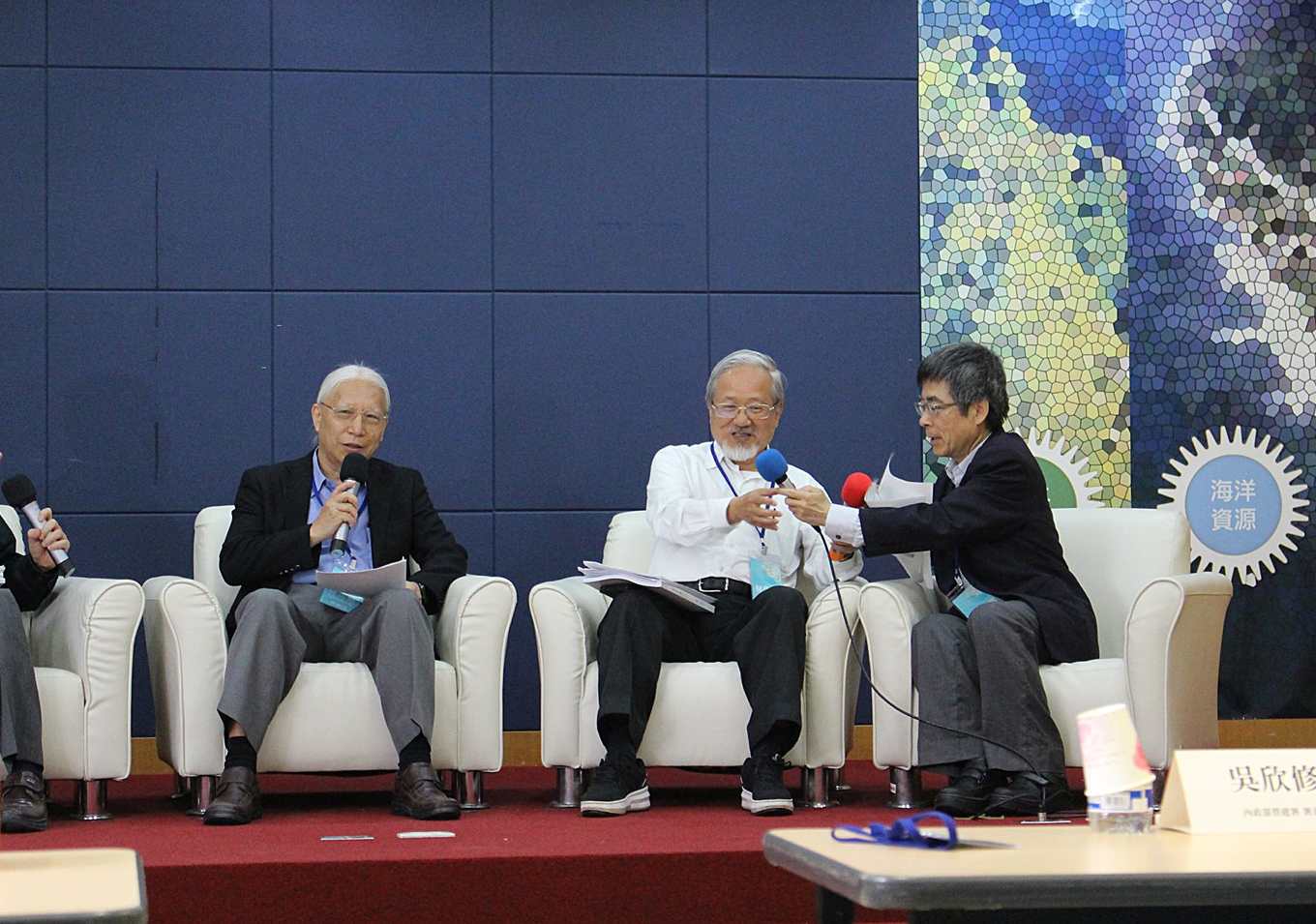
After the national spatial plan is announced and implemented, the spatial plans for special municipalities, counties and cities should also be completed, announced and implemented within two years. To prepare for the next stage of special municipality, county and city spatial plans, the Construction and Planning Agency of the Ministry of the Interior held the "National Spatial Plan Opinion Exchange Summit" on the 12th to engage in more discussion with all sectors.
Lin Guoqing: Important grain-producing areas are unwilling to bear farmland because they consider it unfair
On the controversy over the total amount of farmland, Lin Guoqing pointed out, "How much farmland does Taiwan, China actually have? What ordinary people imagine as farmland is land used for cultivation." According to the Council of Agriculture's survey data, there are 790,000 hectares of arable land, but only 680,000 hectares remain in actual agricultural use. The gap comes from changes in use, such as legal farmhouses and illegal structures. He stressed the need to clearly define truly arable farmland and strictly control it (Editor's note: Of the 680,000 hectares of farmland inventoried by the Council of Agriculture, 105,000 hectares are not used for farming, leaving only 570,000 hectares actually under cultivation).
To ensure national food security, the total farmland area of 740,000 to 810,000 hectares must be maintained, and space must be given for sustainable agricultural development. However, the earlier national spatial plan's proposed allocation of farmland quotas to each county and city sparked backlash from major agricultural counties such as Yunlin and Pingtung, which argued that it restricts local development.
Lin Guoqing stated, "Such statements come from major agricultural counties; this is a warning sign. They think it is unfair, so how can the spatial plan achieve fairness and justice?" Important grain-producing areas not producing grain is a survival issue, "but how do we make them willing to bear it? It is not that they are unwilling, but that they consider it unfair." The spatial plan has not addressed this issue in its planning, and how to achieve fairness and justice is the direction for future efforts.