You can't grow flowers without it; use it well and the branches and leaves will be plump and vibrant, and the flowers will bloom in dense clusters
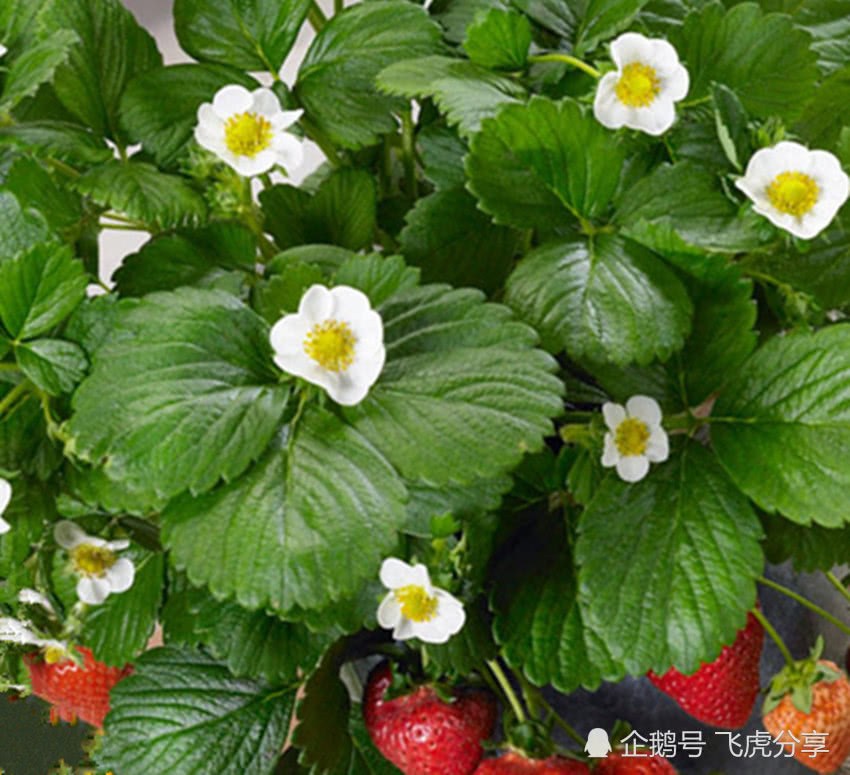
When it comes to growing flowers, most people only know that plants need soil, water and fertilizer, but plants are just like people - they have things they like and things they don't, and many people don't actually know what those are. This is why some people just can't grow flowers well. In fact, growing flowers is easy: you just need to prepare the things your plants like, use them well, and they will surprise you. The following items are indispensable for growing flowers.
You can't grow flowers without soil, except for hydroponic plants of course. Soil is the foundation plants rely on to survive, but whether they grow well depends on what kind of soil you use. If the soil you use turns hard and compacted after watering, then even the easiest plants to grow won't thrive in it. Whether it's purchased potting mix, garden soil, old potting soil, or your own homemade mix, just a little improvement can prevent it from hardening and compacting, turning it into genuinely good soil for growing flowers. Truly good soil is granular, dark in color, feels very light in the hand, holds together when squeezed into a ball, and crumbles apart the moment you let go. So how do you achieve this effect? It's actually very simple: just add 40% sand and 10% organic fertilizer to the original soil and you'll achieve the effect described above. The sand must be washed clean with water, and the organic fertilizer must be fermented and thoroughly decomposed, such as cow manure, chicken manure, sheep manure, etc. - all of these are available on the market. You can also crush some hard nut shells and mix them into the soil to help loosen it and let air through. Besides good soil quality, the following items are also indispensable for growing flowers.
No one dares to claim that the flowers they grow will never suffer from pests and diseases, and preventing them in advance is always far better than waiting for them to happen and then treating them. So when growing flowers, you need to keep fungicides and insecticides at home. Fungicides can be mixed into the potting soil, or added to water to water or spray the plants, and either way they provide advance prevention and reduce the occurrence of disease. In spring, sprinkle an appropriate amount of insecticide into the pot; when you water, the insecticide seeps into the soil, keeping the pot free of insects for a year.
Fertilizer is indispensable for growing flowers. Besides the organic fertilizer you prepare yourself, there are two other fertilizers that are essential: one is slow-release fertilizer, and the other is monopotassium phosphate. Why are these two fertilizers essential? Because slow-release fertilizer is convenient, clean, won't burn roots, and is safe to use, making it most suitable for beginners. Monopotassium phosphate is indispensable for promoting flowering and keeping plants strong, and it's also a fertilizer with excellent results. So for growing flowers, you only need to prepare potting soil, fungicides and insecticides, and fertilizer, then use them well, and you won't have to worry about your flowers failing to grow well.