How often should an areca palm be watered?
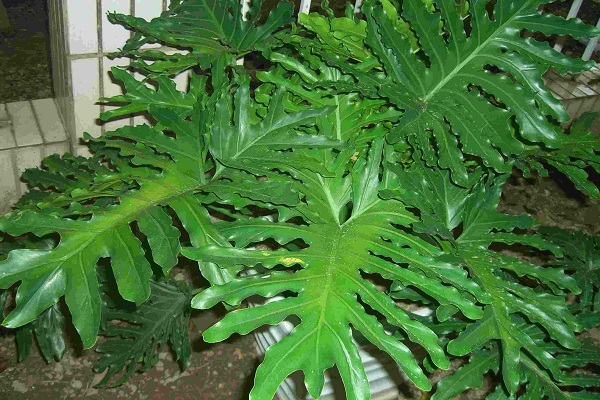
1. Its water requirements
Overall, this plant is relatively fond of moisture. However, it cannot tolerate waterlogging. So, we need to be careful when watering.
2. General frequency
(1) Spring and autumn: These two periods are about the same. The temperature conditions are similar, and the growth rate is similar too. So, the frequency can be controlled at about once a day.
(2) Summer: This season is when growth is most vigorous, evaporation is fast, and it is also when water demand is highest. So, sometimes it needs watering twice a day. However, although the frequency is high, the amount of water must not be too much. As we said above, it cannot tolerate waterlogging.
(3) Winter: This is when water demand is lowest. At this time there is generally no fixed watering frequency. You can skip watering, or judge based on the dry or wet state of the soil. If the soil is really very dry, you can water a little.
3. Points to note
(1) The frequencies we introduced above are all under general conditions. In fact, you do not have to fix a specific interval. Because its water demand is related to many factors. Besides the season, there is also the climate, and so on. Different regions also have different specific situations. So, to be scientific, you can observe the state of the soil, and then there will not be any big problems.
(2) Generally speaking, right after repotting, you can water a little more appropriately.
(3) No matter when, you must not let water accumulate in the potting soil; this point should be kept firmly in mind.