Why Gardenia Buds Turn Black and Drop Off and How to Fix It
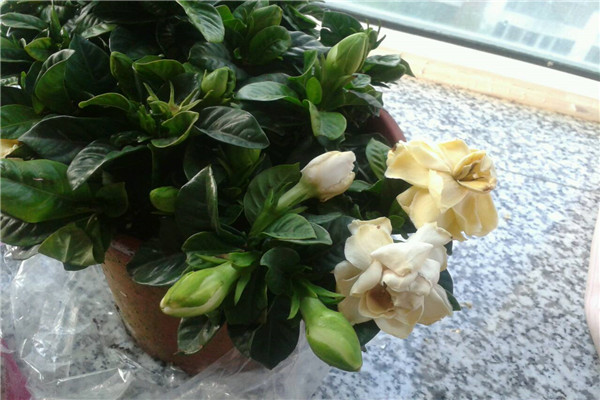
1. Overwatering
Once it enters the bud stage, you should no longer give it too much water. First, excess water accumulates in the potting soil, which not only affects the roots' ability to take up water and nutrients from the soil but may also cause its root hairs to rot, damaging the plant and causing the buds to turn black and drop off; second, once too much water is given, it may well switch into a growth phase, producing a mass of leaves and branches that consume too many nutrients, which also causes the buds to turn black and drop off.
Solution: If you have not overwatered too much, stop watering first, then poke a few holes in the potting soil with chopsticks to help the water dissipate quickly; if you have overwatered a lot, you need to take the whole plant out of the potting soil, shake off the outer soil, cut away the rotted roots, and replant it in fresh potting soil.
2. Too Much Fertilizer
Many gardening enthusiasts think that flowering requires a lot of nutrients, so once its buds appear they give it a heavy dose of fertilizer. In fact, this practice is completely wrong, because flowering mainly consumes the nutrients already stored inside the plant, so we do not need to add extra fertilizer. On the contrary, adding fertilizer at this time easily burns its roots, causing the buds to turn black and drop off.
Solution: If the situation is relatively mild, we can add a large amount of water to the pot to flush out the leftover fertilizer in the potting soil, then place some stones at the bottom of the pot to help the water evaporate; if the situation is more serious, we also need to repot it in fresh potting soil.
3. Root Damage from Repotting
Some gardening enthusiasts know it needs repotting, but because they may not be very skilled at repotting or repot too often, its roots get damaged during the repotting process. This likewise affects the plant's absorption of water and nutrients, causing the buds to turn black and drop off.
Solution: This is relatively easy to solve. First, we need to prune away some branches and leaves to reduce water consumption, then place it in a cool spot for about 10 days, during which it should not be exposed to direct sun, but also must not be kept completely away from light - filtered light is best. Once new leaves grow out, it can be cared for normally.