What to do about frostbitten succulents? One simple step can save them
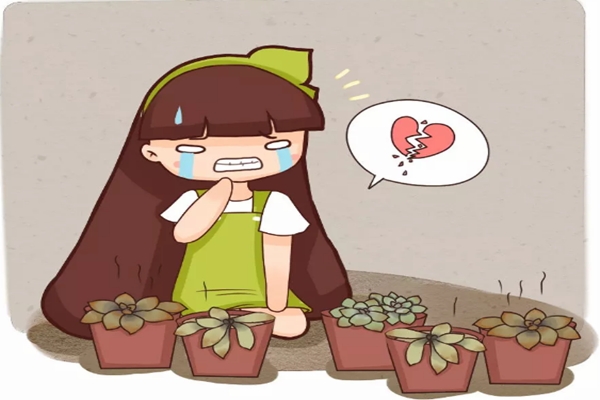
The succulents have frozen like this - is there still hope?
First, let's take a look at this gardening friend's frozen succulents.
Thick layers of ice wrap the succulents tightly, just like candied haws on a stick - it looks cold just looking at them.
It feels like even the flower pots are frozen stuck to the roof.
A moment of negligence made the succulents suffer so much, but Huahua thinks there's still hope!
One simple step can thaw and revive your succulents!
Don't suddenly move frozen succulents into a heated room - too great a temperature difference will kill them. Move the succulents to a windowsill at 0°C, keep them out of the sun, open the window for ventilation as much as possible, and after 3-4 days, the ice on the succulents will slowly melt. Observe the frostbite on the leaves and take different measures.
1. What to do about mild frostbite
If only a few leaves have turned translucent or mushy, that is mild frostbite. First put them on a windowsill at 0-10°C, wait 4-5 days, then move them somewhere above 10°C and let the succulents slowly recover.
2. What to do about moderate frostbite
If most of the leaves show translucence and mushiness, that is moderate frostbite. First put the succulents on a windowsill at around 0°C with good ventilation, remove the mushy leaves, apply carbendazim to the wounds, and after 5-6 days, move them somewhere above 10°C to recover.
3. What to do about severe frostbite
Severe frostbite means all the leaves have turned mushy and blackened. In that case, first put them on a windowsill at 0°C, and wait until next spring to see whether they come back to life.
Protect your succulents like this to prevent frostbite
Winter temperatures drop without warning. Once succulents get frostbitten, gardening friends will surely feel both heartache and regret, so how to keep succulents from frost damage is the top priority when growing succulents in winter!
1. Move them indoors if possible
Move your succulents indoors, and as long as the room temperature doesn't drop below 10°C, there won't be any frostbite caused by sudden temperature drops or snow. Put them on a sunny balcony and just make sure there's ventilation.
2. If there's no room indoors, build a insulation shed for your succulents
Some gardening friends are troubled because they grow too many succulents to fit indoors. Don't worry - you can make a plastic insulation shed, put the succulents inside, and never fear frostbite again.
3. Water less to improve cold resistance
Water your succulents less in winter - once or twice a month is enough. The water content inside the succulent cells will decrease, their ability to resist severe cold will increase, and low-temperature frostbite is less likely to occur.
The methods for thawing and preventing frostbite in succulents,
Huahua will introduce up to here for now.
If you find what Huahua said useful,
then share it with your friends!