How to grow pennywort? Master these secrets and wealth will come rolling in
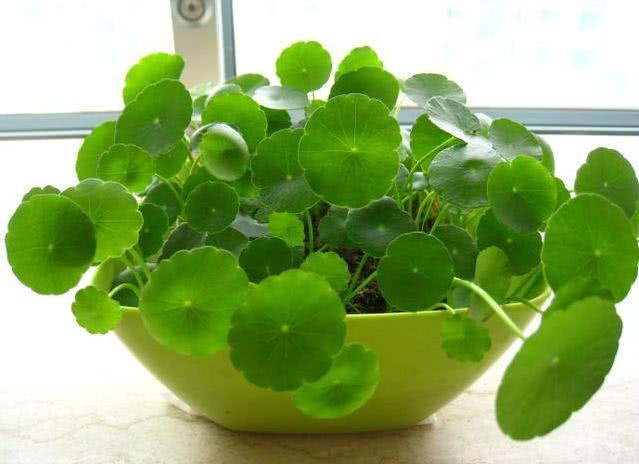
This plant is highly sought after for its coin-shaped leaves. The stems and leaves of pennywort are very slender, so it needs to be placed in a relatively high spot to let its branches hang down naturally to look good. The branches of pennywort carry many small pennywort plantlets, and from a distance they look like clusters of paper cranes.
Some flower growers repot their pennywort regularly, that is, change the soil, which is beneficial for pennywort. But there are also cases where pennywort cannot adapt to the new growing environment. When it cannot adapt to the new environment, the leaves of pennywort turn yellow and curl inward, and become soft and limp, making people feel it has little vitality left. So when we encounter this situation, what should we do?
1. Pennywort may be unable to adapt to the soil fertility in the new environment. If there is a relatively large difference in fertility between the new soil and the old soil, pennywort will need a long time to adjust its own condition, and during this process, if nutrients cannot keep up, the leaves of pennywort may turn yellow.
2. Pennywort also has relatively high requirements for the surrounding temperature. If after repotting it is moved to a new environment or a new room, and the temperature is lower than before, pennywort may slow its growth rate, and the conversion of nutrients will also slow down accordingly. At this time, we need to place pennywort in the sunlight for a short while, a few hours a day is enough; it cannot be too long, as too long is not very good for pennywort either.
3. If the new soil has poor water permeability, it will also hinder the growth of pennywort. Poor water permeability means the roots of pennywort have difficulty breathing in it, and no sufficient oxygen can get in, so pennywort has no strength to sustain leaf growth, and the appearance of yellowing and limpness is only natural. If pennywort grew well in the previous soil, try to use the same material or a similar material as the new soil for pennywort. After all, adapting to an unfamiliar environment takes a long process, and fragile pennywort does not have that much energy.
Actually, plants will more or less show yellow leaves during growth, and as long as we take reasonable measures, they can all be solved in a relatively short time. This also requires us to use the correct care methods for pennywort in daily maintenance, so that when problems arise, we can quickly know where we went wrong.