For beginners growing orchids, get this one thing right and you need not fear they will not survive - you can enjoy the flowers and fragrance every year
Introduction
Green plants and potted flowers are essential decorative touches for the home. They beautify the room, freshen the air, and lift the spirits. Keeping a few flowers and plants at home has many benefits. "Flower Sound Potted Plant Diary, Issue 867" introduces you to the problems beginners face when growing orchids.
Orchid
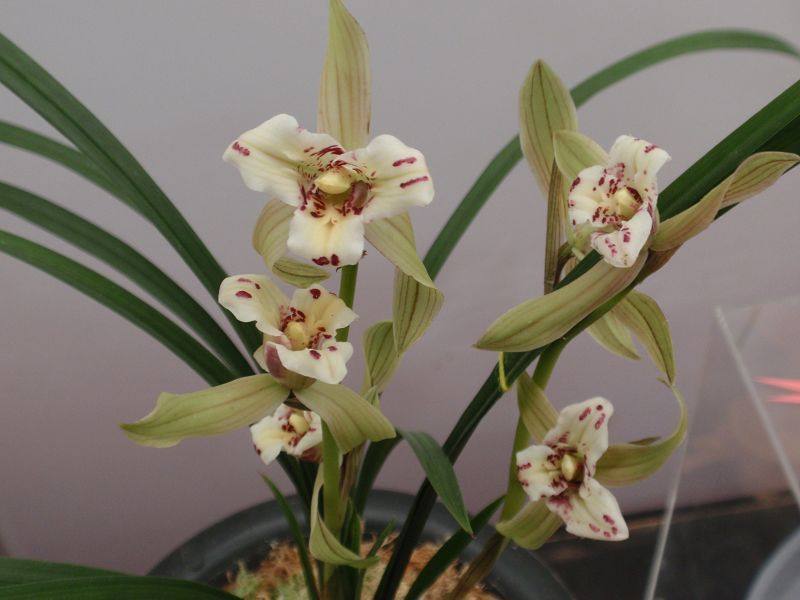
The orchid is a traditional famous flower of China, treasured by our people since ancient times, ranked fourth on the list of China's top ten famous flowers, and still one of the most important indoor potted flowers today, loved by a wide circle of flower enthusiasts. Placing a few orchid bonsai at home looks elegant and noble, and lets you enjoy both the flowers and their fragrance - many benefits in one.
Wild orchids
The special qualities of orchids draw many beginners "into the pit." Owning a beautiful orchid should be such a joyful thing. Yet the outcome is often "the orchid tortures me a thousand times, yet I treat the orchid like a first love." Growing orchids well takes real effort. Beginners especially need to learn some relevant knowledge before starting.
Stem rot
Orchids are epiphytic or terrestrial herbaceous plants, originally growing mostly under shady, well-ventilated trees in the forest, with high demands on their growing environment. A beginner orchid enthusiast gets a plant and often thinks it is much like other plants, casually finds some soil, plants it, and then just waits for it to bloom and give fragrance. The result is often black rot and death before long, wasting effort and ruining the orchid plant.
Orchid soil
To grow orchids, you need special orchid soil. Common garden soil, potting mix, succulent soil and the like on the market cannot be used directly. Common orchid growing media include perlite, bark, peat soil, leaf mold and so on, and they must be loose with good air permeability. Experienced orchid growers know how to mix the ratios; beginners need to put in some effort and pay some tuition. For the sake of survival rates, it is best to use the special soil sold at orchid shops.
Get the flower soil right first
As the saying goes, to nourish life first nourish the stomach; to grow flowers, get the soil right first. With the right soil, no plant is hard to grow, and after that it comes down to your growing skill. Orchids must be placed in a ventilated environment, ideally with morning and evening sunlight; an enclosed space will not do, and open-air growing is even better. In summer, mist frequently to maintain humidity, but avoid long-term waterlogging in the pot. To grow orchids you must first grow the roots; once the root system is well developed, the plant will be strong and will bloom and send up shoots readily.