How to prune Forsythia? Detailed Explanation of Correct Pruning Methods and Techniques
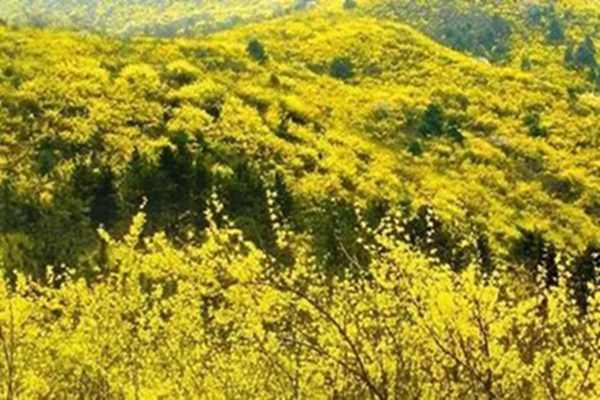
I. Growing-season pruning
1. When pruning it during its growth period, first promptly remove damaged branches or diseased branches. Branches that were missed in previous pruning or overly long branches should be shortened slightly.
2. After it sprouts in spring, promptly remove the buds; the young buds on branches that were pruned before can be kept. As for the buds on the branches or trunk, unless they are used to make the tree's form fuller, the others can also be removed.
3. Promptly cut off the suckering buds that affect the tree's form and growth tendency, and cut off some of the overly dense branches. When cutting the branches, you can make appropriate choices based on its tree shape and the number of branches and trunk, so that it grows more beautifully.
4. After it blooms, promptly cut it back to help it grow new branches, make the tree's shape more attractive, and also increase the number of times it blooms.
II. Dormant-season pruning
1. To make its appearance more attractive, moderate pruning is very necessary, but only the correct method can make it have more flowers and look more beautiful. First, you also need to help it remove dead or diseased branches, remove the rather messy branches inside the tree, and also cut back some wildly growing branches.
2. Remove the relatively thin and slender branches; relatively thick and sturdy branches can be shortened, and the parts that have grown new buds can be kept. The length depends on the thickness of the branch; generally, keep three to five buds on one branch, and the thicker the branch, the more buds can be kept.
3. For branches that have not been pruned for many years, or that have been poorly pruned all along, carry out renewal pruning by cutting them back. Especially if the tree is too tall or the crown is too lopsided, it is even more necessary to renew it through cutting back.
4. If it is a clumping type, its branches will be very dense, and some branches will die. You can thin it out by pruning, removing the dense parts and leaving the sparse areas. The cut branches and trunk should be drawn out from above; do not pull them out forcefully, otherwise it will damage other branches and buds. If the tree's shape is not attractive, you can wait until the young buds at the base grow out, then keep three to five branches to reshape it.