How do you plant and grow orchids? These technical key points you need to know
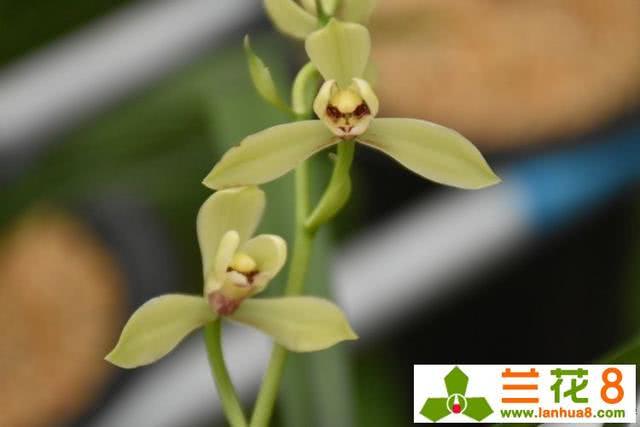
Orchids have a special characteristic: the orchid roots must form a symbiotic relationship with orchid fungi in order to survive. Therefore, when sowing, the seeds are often placed on the surface of the mother plant's pot, making use of the mother plant's orchid fungi for germination and growth. The seeds take about half a year to germinate, and after growing in the mother pot for 2 months, they can be moved to small pots for further cultivation.
Division is the method commonly used at present. The more suitable times are spring, before new buds have emerged, and autumn, when orchids gradually stop growing. When dividing, take the mother plant out of the pot, shake off the soil, and cut it into several clumps with a knife. Each clump should have 3 to 4 pseudobulbs and new buds, and withered leaves and rotten, shriveled roots should be trimmed off. If it is a wild orchid bought from the market, since the root system is often already dehydrated and shriveled, it can first be soaked in clean water, and after it has absorbed enough water, wash and clean the roots, then let it dry until the roots turn white before planting.
Orchids can be planted with black mountain soil, peat soil, garden soil, pine needle soil, moss, fern roots, bark chunks, and so on. Cover the drainage hole at the bottom of the pot with a piece of tile, then spread a layer of broken brick, tile, and stone granules with a thickness of 1/4 of the pot's depth to enhance air permeability and drainage, and then spread a layer of growing medium. Hold the orchid upright and plant it, fill in the growing medium, and cover the pseudobulbs. The soil should be pressed firm, and after planting, water thoroughly and place it in a cool, shaded spot.
Fertilizer should be dilute rather than concentrated. During the growing period, apply decomposed soybean cake water or water from horsetail paste residue once every half month. Adding an appropriate amount of monopotassium phosphate gives even better results. Do not fertilize in the heat of summer. When the temperature is too high, in addition to daily watering, spray water several more times. Slightly acidic water is preferable. Orchids are prone to scale insects, which can be controlled by spraying with a 1000-fold dilution of dichlorvos emulsifiable concentrate. When whiteflies cause damage, spray with a 2000-fold dilution of deltamethrin to kill them. Orchid roots have a sweet taste and easily attract ants, which can be lured and eliminated with meat bones. Orchids are prone to anthracnose and black spot disease. After disease occurs, promptly remove diseased leaves and burn them, widen the spacing between potted plants, and improve ventilation and light conditions. Reduce water spraying, control humidity, and combine this with carbendazim for prevention and control. I publish orchid knowledge and pictures every day, taking you to understand orchids in depth and teaching you to grow orchids easily. If there is anything you do not understand about orchids, you can ask me at any time or leave a message below. If my knowledge has helped you, I hope you can give me a like or repost it to help more people!