Poisonous weeds that look just like wild vegetables: someone ate them by mistake and nearly died
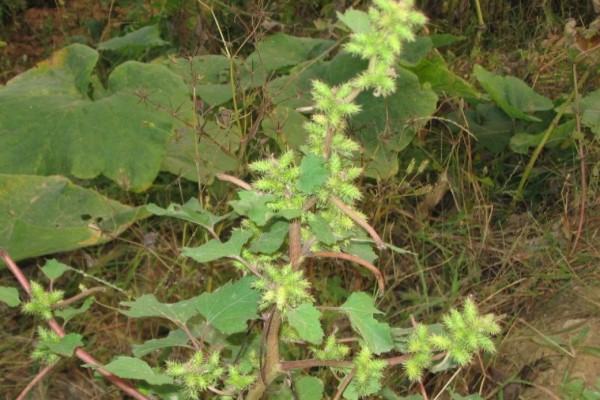
Cocklebur (Xanthium sibiricum)
Distribution: Grows in fields, along roadsides and in low-lying land. It sprouts in March and April, and the seedlings look like a vegetable we eat every day - soybean sprouts.
Toxicity: The entire plant is toxic. The young sprouts and seeds are the most toxic, and eating them by mistake can cause death.
(Bean sprouts)
Poisoning symptoms:
After poisoning, the whole body becomes weak, with dizziness, nausea and vomiting. In severe cases, it can cause respiratory failure and death.
Cowbane (Cicuta virosa)
Distribution: Grows in damp places, such as the water's edge or ditch banks in marshy areas.
Toxicity: The leaves look like the celery leaves we eat at home, the whole plant has a foul odor, and the flowers are the most toxic.
(Celery)
Poisoning symptoms:
They include blisters on the lips, nausea and vomiting, followed by headache, general weakness and loss of mobility.
(Cowbane)
Jack-in-the-pulpit (Arisaema)
Distribution: Grows under forest, in shrubland or in grassland. Its roots resemble ginseng.
Toxicity: The whole plant is toxic.
Poisoning symptoms:
Chewing raw jack-in-the-pulpit can cause numbness, swelling and pain in the tongue, throat and mouth, and even slow breathing and suffocation.
Cnidium (Cnidium monnieri)
Distribution: Grows on hillsides, in grassland and along roadsides. Also known as wild carrot or snake-bed.
Toxicity: Both the leaves and roots are highly toxic.
Poisoning symptoms:
The symptoms are similar to cowbane poisoning, and ultraviolet sensitivity can develop as well; in large doses, it can cause the patient to die of respiratory failure.
Huahua reminds you: these wild vegetables must never be touched! Besides these vegetables, there is another category - photosensitive wild vegetables. Friends with photosensitive constitutions who eat them and then are exposed to strong light will develop redness, swelling and rashes on exposed skin, accompanied by obvious itching, burning or stinging.
Shepherd's purse (Capsella bursa-pastoris)
Wild shepherd's purse can be seen everywhere in fields, along roadsides and in courtyards. The whole plant can be used as medicine, and the stems and leaves can be eaten as a vegetable.
Purslane (Portulaca oleracea)
Purslane is found along field paths and roadsides and is fairly common. The tender stems and leaves can be eaten as a vegetable.
Goosefoot (Chenopodium album)
Goosefoot mainly grows in fields, at the edges of plots, along roadsides and around houses. The seedlings and tender stems and leaves of goosefoot are edible, with a delicious taste, tender texture and rich nutrition.
The three wild vegetables above are fairly common photosensitive foods. To be safe, friends with photosensitive constitutions should avoid eating them as much as possible.
Recently, news of people mistakenly eating poisonous wild vegetables has been common. I hope all gardening friends will pay extra attention to safety when out enjoying themselves. Picking wild vegetables can add fun to a trip, but you must carefully identify what you pick, so as not to spoil the journey.
That's the end of today's little lesson on wild vegetables
I hope Huahua's lesson has been helpful
If you think the article is good
you can share it with your friends~