These 5 flowers need to be propagated by cuttings now so they can bloom successfully next year
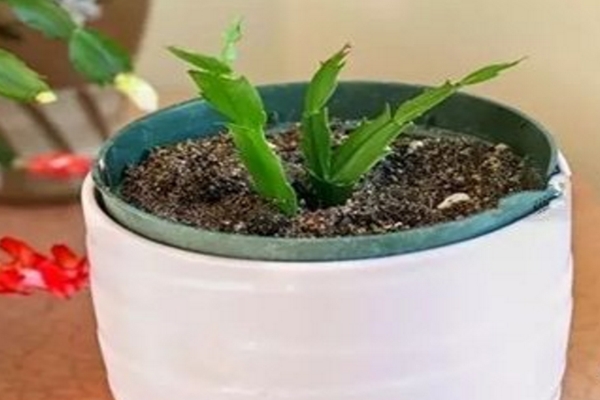
How do you propagate a Christmas cactus by cuttings?
1. Prepare the Christmas cactus leaf you accidentally knocked off. If you feel one leaf is too few and the potted plant won't look good, you can cut the topmost leaf from a complete Christmas cactus, which is very vigorous and easy to root.
2. Put the Christmas cactus leaf in a cool, ventilated place to dry for 1~2 days so the wound heals.
3. Prepare the soil. For growing Christmas cactus, we can mix pine needle soil and river sand at 1:1, which helps retain moisture and promote rooting.
4. Insert the dried Christmas cactus leaf steadily into the soil, press it firm, and water thoroughly.
5. Put a plastic bag over the pot to raise the temperature inside and speed up rooting, then place the pot where sunlight does not directly hit it and wait for roots to form. Check once every 3~4 days; if the soil is dry, spray a little water with a spray bottle, no need to water thoroughly.
6. After a week, the plastic bag can be removed. At this point you'll find the Christmas cactus is already showing signs of rooting. Once it sends out new shoots, it can be cared for normally.
7. Pot up the sprouted Christmas cactus seedlings separately to ensure the roots have enough room to grow.
How do you propagate kalanchoe by cuttings?
1. Use scissors to take a vigorous kalanchoe branch (branches that have already flowered are especially more nutritious and have a higher rooting rate), about 6~7cm is enough. Each section should have two leaf nodes; excess leaves at the bottom can be cut off so it's easier to insert into the soil.
2. Prepare the soil. You can mix leaf mold and river sand at a 1:1 ratio; it just needs to stay moist.
3. The cut kalanchoe branch must first be placed in a cool, ventilated place to dry before use. Insert the dried kalanchoe branch into the prepared potting soil, press firm, and water thoroughly.
4. Keep the kalanchoe cutting where sunlight does not directly hit it. After two weeks it will have rooted.
5. Note that the succulent stems of kalanchoe have a very good water-retention capacity. During the wait for sprouting, do not overwater; generally watering once every 5~7 days is enough, otherwise it easily rots.
How do you propagate roses by cuttings?
1. Spring is a great season for propagating roses by cuttings. Cut at a 45-degree angle a well-developed, disease-free rose branch, about 10cm long, making sure it has two leaves on top; excess leaves can be removed. Be careful not to prick your hand when cutting.
2. Sandy soil is fine for growing roses. After watering the soil thoroughly, insert the rose branch, place the pot where sunlight does not directly hit it, and just keep the sandy soil moist.
3. The rose cutting will root in about 15 days. By then, just move the rooted rose seedling into a slightly larger pot. In spring, watering once a week is enough; too much water easily causes root rot.
How do you propagate hydrangeas by cuttings?
1. Choose a semi-lignified branch, cut a section about 10cm long, making sure it has two leaves, with a flat cut at the top and a 45-degree slanted cut at the bottom.
2. Cut off one half of each leaf. This reduces water evaporation and the nutrients the leaves take up, concentrating nutrition mainly on rooting and sprouting. If the leaves are small, you can cut off a little less.
3. Peat soil is fine for growing hydrangeas; add some vermiculite, water thoroughly, then insert the hydrangea branch into the soil. You can place a tray under the pot and add some water, which keeps the potting soil moist during rooting and promotes root growth.
4. Be sure to put the pot in a cool, ventilated place. At the current temperature, the hydrangea branch will root in about twenty days.
5. After it has rooted, move the hydrangea seedling into a slightly larger pot and continue caring for it where sunlight does not directly hit it.
How do you propagate bougainvillea by cuttings?
1. Prepare a bougainvillea branch about ten centimeters long. Try to choose a relatively mature, already lignified branch and keep 2~3 leaves.
2. For the soil, just mix leaf mold and river sand at 1:1. After watering thoroughly, insert the bougainvillea branch into the soil and place it in a place without direct sunlight that is well ventilated. You can cover it with a plastic bag to retain moisture and speed up rooting.
3. When propagating bougainvillea by cuttings in spring, it usually roots in about twenty days,
4. Transplant the rooted new bougainvillea seedlings into pots and care for them normally.
Alright, that's all for today
Fellow flower lovers can give it a try yourselves
Make the most of the wonderful spring light and get going!