How to grow gardenia so it grows fast? A detailed guide to care techniques
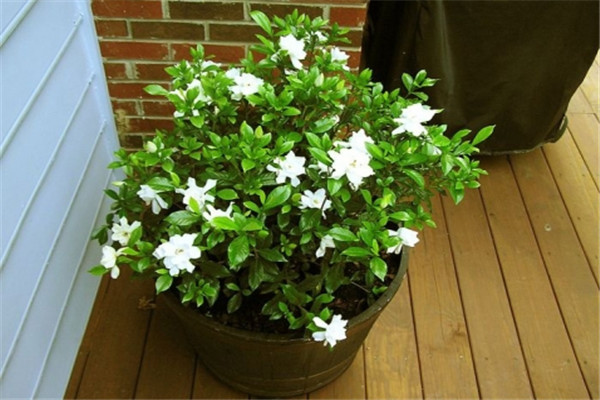
1. Light
If you want it to grow fast, the first thing to pay attention to is light. Because it greatly loves light, and once it lacks light, it is hard for it to synthesize nutrients, so it not only grows slowly but also grows poorly. However, you also must not leave it in the sun for long periods, as this will cause it to get sunburned and likewise prevent fast growth. Usually, we should best place it on a balcony with partial sun, as this can give it suitable light conditions and let it grow both fast and well.
2. Potting soil
It is best to give it slightly acidic potting soil with a pH between 5-6, as this better matches its growing habits. In addition, some rotted leaves and petals can be mixed into the soil, which can effectively increase the humus content in the potting soil, give it more nutrients, and help it grow faster.
3. Water
Although it likes a relatively humid environment, you must never give it too much water, because once water accumulates in the potting soil, it can easily cause root rot. In addition, we can use fermented rice-washing water instead of water to irrigate it, because it is rich in N and P elements, which can make it grow faster.
4. Fertilizer
Apply fertilizer promptly. Because its growth and flowering require a large amount of nutrient support, and once it lacks nutrients it is hard for it to grow, we need to fertilize it promptly to increase the nutrients it can absorb. But also note that fertilizer must not be added too much, because the plant finds it hard to absorb a large amount of fertilizer, and the leftover fertilizer will remain in the potting soil, change the conditions in the soil, and affect its roots.
5. Repotting
After a period of growth, the nutrients in the potting soil have all been absorbed by it and can no longer support its growth, so we need to repot it with new potting soil that has a relatively high nutrient content. But note that repotting must not be too frequent, otherwise it will damage its root system.
6. Small tips
1. During its growing period, every two months you can irrigate it with a diluted FeSO4 solution to lower the pH of the potting soil somewhat and supplement some Fe for it.
2. After it develops flower buds, you can supplement it once with a 0.1% KH2PO4 solution to increase K and P elements and help it bloom better.