Causes and Solutions for Blackened, Dry Gardenia Leaves
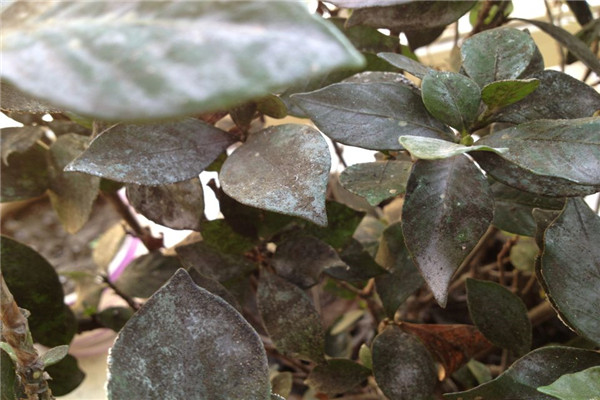
1. Overwatering
This is the most likely cause. Although this plant generally enjoys fairly moist growing conditions, too much of anything is bad. Once the water content in the soil becomes too high, the roots may end up sitting in water. This not only prevents the roots from absorbing nutrients from the soil, but over time the roots will rot. Once the roots are compromised, the nutrient supply for the whole plant cannot be guaranteed, and the leaves will consequently lose their vigor, turning black and drying out.
Solution: This depends on the specific condition of the plant. If the leaves have just started showing problems and the condition is relatively mild, move it to a cool, well-ventilated place and let the soil dry out, then reduce the frequency of watering. If many leaves on the plant are affected, remove the entire plant from the soil, carefully trim away the rotted roots, apply a fungicide to disinfect, and then plant it in fresh soil.
2. Cold Damage
This mainly happens in winter. Some gardeners may be a little careless and fail to prepare cold protection measures before winter arrives, causing the plant to freeze, the roots to ice up, and the plant to be unable to absorb nutrients from the soil, which in turn causes the leaves to dry out and turn black.
Solution: This also requires measures suited to the plant's condition. If it is only mild cold damage, cut off the frozen branches and leaves, then place it in a warmer spot to help it recover. If the cold damage is severe, remove it from the soil, cut away the frozen roots, then cut off all the branches and leaves, leaving only one or two relatively healthy stems, replant it in the pot, and place it in a warm spot with careful attention.
3. Pests and Disease
Once it is attacked by certain pests or pathogens, it will also show the above problems.
Solution: At this point, determine what disease or pest it has, then purchase the corresponding treatment and spray it according to the instructions.