How to farm soft-shelled turtles? Detailed explanation of six key points
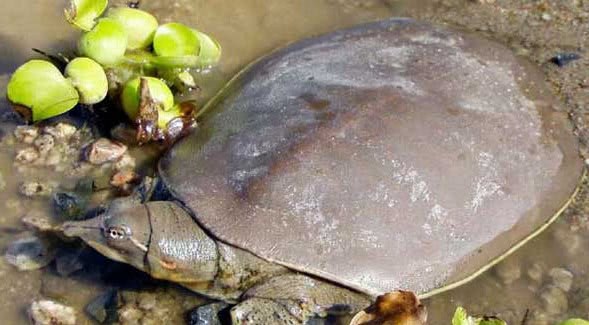
The soft-shelled turtle is a common species in aquaculture. The soft-shelled turtle is also called biē (Chinese softshell turtle), and it is found in lakes, reservoirs and wild ponds in most parts of China. The soft-shelled turtle feeds on fish and shrimp. Below, the editor will introduce the six key points of soft-shelled turtle farming to help you raise soft-shelled turtles well.
1. Regulate the aquaculture water body.
Usually, the various indicators of the water body for raising soft-shelled turtles are adjusted as follows: dissolved oxygen kept above 5, pH value stable between 7.5 and 8, alkalinity and hardness stable at 3.0-3.2 mg per liter, ammonia nitrogen content below 0.02 mg/L, nitrite concentration below 0.1 mg/L, and pond water transparency between 25 and 30 cm.
2. Discharge waste in a timely manner, change water scientifically, and regularly discharge bottom organic matter according to water color.
3. Divide ponds reasonably, clean ponds in a timely manner, raise soft-shelled turtles of different sizes in grades, and adjust the breeding density.
In the process of healthy farming, the soft-shelled turtle seedlings placed in the same pond should be as uniform in size as possible, so as to avoid biting each other due to size differences, huge growth disparities, and effects on the overall growth performance. At the same time, reasonable separate rearing is also conducive to management, making it easier to grasp the implementation and improvement of the feeding plan.
4. Feed high-quality feed, improve feed conversion rate, and reduce pollution from residual bait and feces.
Production records should also be established separately for breeding ponds of various specifications and levels. For each pond, the water chemical factors, feeding conditions, disease occurrence and prevention, and the specifications and quantity of soft-shelled turtles in the pond during production must all be recorded and filed, so that technical personnel can refer to them and use them as the basis for formulating the next stage of production plans and technical measures to be taken.
5. Carry out regular prevention, properly control the number of planktonic animals and plants, and effectively regulate water quality.
During the production process, regularly add disease-prevention drugs to the bait, such as Chinese herbal medicine preparations (such as Jundu Shuangke, Sanhuang San, Gandan Kang, etc.), antibacterial drugs (such as Bdellovibrio preparations, marine actinomycetes, etc.) and anti-stress preparations (such as Vc raw powder, immune polysaccharides, electrolytic multivitamins, etc.). At the same time, regularly adopt preventive measures such as disinfecting pond water and spraying stress-reducing drugs (such as high anti-stress ling, etc.) when cleaning ponds and separating for rearing, and regularly use bottom sediment and water quality improvers (such as biological bottom improver 9+1, double-effect pond bottom cleaner, etc.) to improve pond bottom sediment and water quality. These must be strictly implemented according to the production plan.
In daily management, promptly sample and inspect the growth status of each pond. Determine whether disease is present in the population according to feeding conditions. Once diseased soft-shelled turtles are found, immediately remove and isolate them, confirm the symptoms, and treat them in a timely manner. Also conduct medicated bathing or drug prevention for the whole pond to prevent the occurrence of infectious diseases. In cases of sudden weather changes, after heavy rain, after water changes, and other changes in the farming environment, stress-reducing drugs (such as Vc raw powder, oligosaccharides+, etc.) and other preventive measures should be used in a timely manner to reduce the stress response of soft-shelled turtles.
6. Control of feed use.
The selected soft-shelled turtle feed should first comply with the relevant provisions of the "Aquatic Industry Standard of the People's Republic of China - Chinese Soft-Shelled Turtle Compound Feed" (SC/T1047-2001). Feed should also be properly stored. Generally, the environment of farms is relatively humid, so the feed room should be kept cool, ventilated and dry. Pay attention to the freshness of the feed, and use prepared feed as soon as possible. Inspect the feed before each feeding, and it is strictly forbidden to use moldy or deteriorated feed. Feeding should be scientific and standardized. In addition to adhering to the "four fixed" principles (fixed time, fixed amount, fixed location, fixed quality), the feeding amount should be adjusted according to the feeding situation of the soft-shelled turtles, and the feeding rate should be kept below their satiation level (eight-tenths full is enough), so as to improve farming efficiency and maintain good water quality.
In addition, in order to increase the nutritional value of the feed, improve digestibility, reduce excretion, and accordingly improve the quality of soft-shelled turtles, we currently usually use powdered compound feed. This type of feed is generally mixed with water and oil, etc. shortly before feeding to make soft pellet feed for feeding. Soft pellet feed has a soft texture and good palatability.
Because the physiological and nutritional needs of soft-shelled turtles differ at different growth stages, it is very important to choose the feed formula corresponding to the stage. Feed for hatchling soft-shelled turtles, juvenile soft-shelled turtles, and adult soft-shelled turtles must not be used indiscriminately or mixed, otherwise it will cause waste of feed, increase costs, and even cause nutritional diseases in soft-shelled turtles.
In soft-shelled turtle farming, in addition to good feeding management, disease prevention and control work must also be done well in order to obtain higher farming benefits.