Why Do Pothos Leaves Turn Dry, Yellow, Wilting, and Brown So Easily?
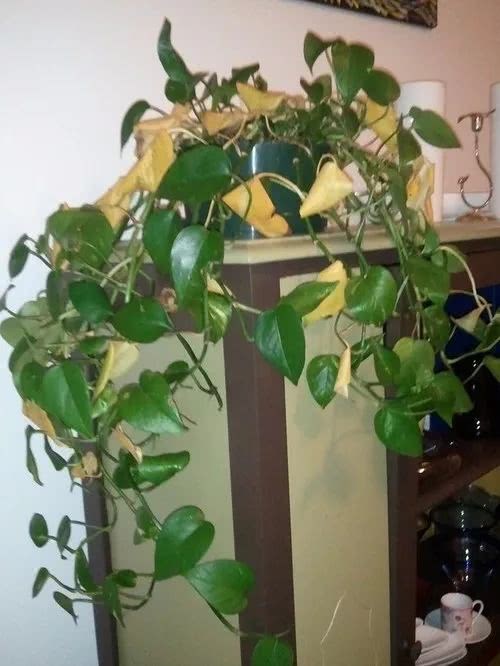
Pothos is one of the most popular indoor potted green plants. It has great appeal, can purify harmful gases indoors, has evergreen heart-shaped leaves, can keep growing in low-light environments, and has strong adaptability to the environment. However, recently a gardening friend asked me why her pothos leaves turn yellow and brown so easily. What causes this?
When pothos leaves turn brown, it is usually because water or light is being given improperly. It can be fixed with appropriate adjustments.
1. Proper Water and Humidity
Pothos needs regular watering to grow healthily. During the growing season, the soil should stay slightly moist, but not waterlogged. If it is watered too much or the soil is too dry, the leaves are most likely to turn yellow. If the air is too dry, the leaves will turn brown and dry out easily.
Each time you water pothos, water thoroughly until water drains from the drainage holes at the bottom of the pot, then stop watering. If there is standing water in the saucer, pour it out promptly.
If overwatered, pothos leaves tend to turn yellow. Although pothos likes water, waterlogged soil easily causes root rot and yellow leaves. Check regularly whether the soil has become compacted and loosen it in time.
Pothos likes higher air humidity. If the air is dry, you can mist water around it, or place pebbles in a saucer, add a little clean water, and set the potted pothos on top of the pebbles.
2. A Suitable Environment
If the yellowing and browning of pothos leaves are not caused by water, then it is usually a problem with light intensity. Pothos is very shade-tolerant, but it cannot be kept in complete darkness, otherwise the leaves tend to turn pale yellow.
Also, be careful not to place pothos in a spot with harsh sun exposure or overly strong direct light. In particular, do not suddenly move pothos to a place where the light environment changes too much.
3. Yellow Leaves Caused by Pathogen Infection
The third cause is infection by certain bacterial diseases. Fungal infection can cause leaves to turn yellow or brown.
The common ones are leaf spot disease and root rot. When pothos is infected by fungal disease, it easily causes leaf withering or yellow leaves. If you notice this condition, be sure to separate the infected pothos from other healthy plants as early as possible, promptly cut off diseased leaves and branches, and then disinfect and sterilize the potting soil, branches, and leaves.
The scissors should also be disinfected before pruning to avoid secondary infection. After cutting, keep the wounds from getting wet. If more than 1/3 of the leaves are infected, you can cut off the leaves from the past year, but do not cut off all of them, to avoid excessive loss of nutrients and the plant dying.
Afterward, you can water once a week with a thiophanate-methyl solution or a chlorothalonil solution. Also be sure to improve the pothos care environment, maintain good ventilation, avoid stuffy air, and prevent water from standing on the leaves for long periods.
4. Overfertilization
There is also a situation where pothos leaves turn yellow because of overfertilization. Pothos does not like frequent fertilizing. Excessive fertilizer can cause leaf tips to turn brown and leaf edges to turn yellow. If not handled in time, the entire leaf will wither, and white fabric-like formations will appear in the soil.
At this point, you can flush and water the soil with a larger amount of clean water. If the fertilizer burn on the pothos is too severe, repot it promptly, rinse the root system, and then pot it again.