Aloe hasn't grown in two years, add a few grains of fertilizer when watering, and dozens of side shoots sprout in a month
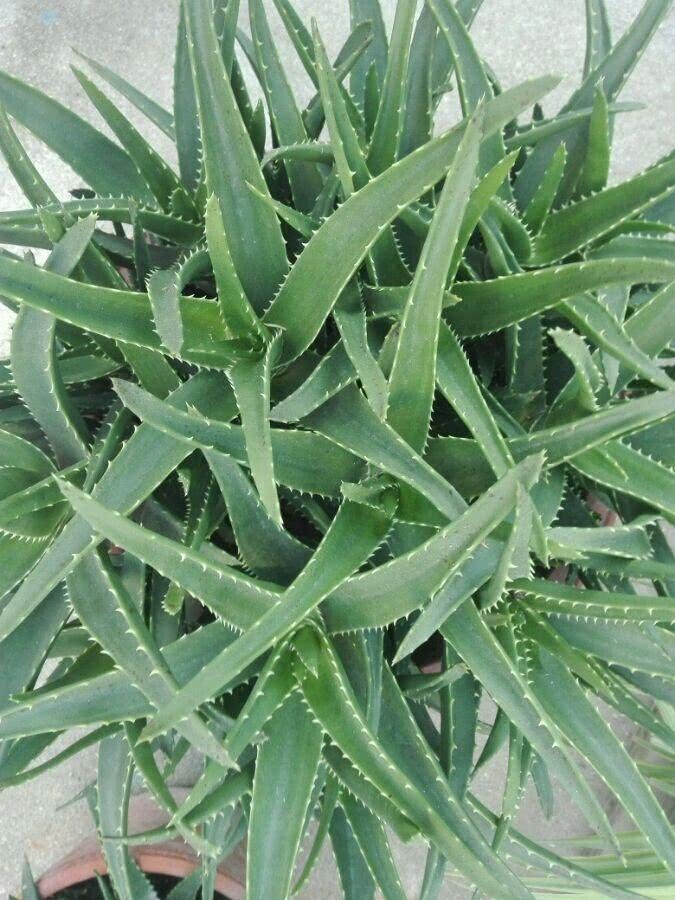
A gardening friend's aloe hasn't grown in two years, it's droopy and looks malnourished, and watering doesn't help either. They always complain that the aloe won't grow, but there's actually a reason for this
Generally, aloe has two peak growing seasons, one is spring, one is autumn. With good care during these two seasons, you can clearly feel the aloe growing. But in winter and summer, aloe grows very slowly, with very little change,
Aloe growing slowly is also closely related to care. The three most common reasons that cause aloe not to grow are: too much watering, compacted potting soil, and no fertilizing
Too much watering
Aloe has fleshy roots, and too much watering easily causes root rot, which makes both water absorption and nutrient absorption worse, so the aloe looks listless and grows slowly. Generally, watering should follow "water when dry, dry when wet." If you really can't tell dry from wet, then squeeze the leaves, and water again once the leaves are soft.
Compacted potting soil
If the potting soil mix for growing aloe is improper and causes the soil to become compacted, this is also very unfavorable for aloe growth. On one hand, the aloe's roots can't spread out, and if the roots aren't vigorous, the aloe naturally won't grow vigorously either. On the other hand, when the potting soil is compacted, water can't penetrate thoroughly, and even if you add a little organic fertilizer, it can't seep in. Over time, the aloe stays in a state of water deficiency and nutrient deficiency, and it won't grow well.
Improper fertilizing
Aloe also grows relatively fast during its growing period, which requires us to keep up with fertilizer and water. Apply organic fertilizer mainly based on nitrogen fertilizer once or twice a month. When fertilizing, do not apply concentrated fertilizer. You can use your own fermented organic fertilizer water, or melt three or four grains of compound fertilizer in water and then water the aloe with it. This lets the roots constantly sense that there is fertilizer, enough for it to absorb and grow. This is called "light fertilizer, frequent application."
Then place it in a semi-shaded or bright indirect light environment, and the aloe will grow thick leaves, a compact plant shape, and continuously produce side shoots. Dozens of side shoots burst out from one flower pot, and filling the pot is very easy