A protective charm for illegal factories on farmland? Lawmakers propose allowing "provisional registered factories" unlimited extensions, environmental groups slam it as fake legalization and real deregulation
There are as many as over 130,000 illegal factories on farmland, of which more than 7,000 have applied for "provisional factory registration." With the extension deadline about to expire, legislators Lin Tai-hua, Hsu Shu-hua and Wang Hui-mei have each proposed amendments to the "Factory Management and Guidance Act" (abbreviated as the Factory Guidance Act), which are expected to allow provisional registered factories unlimited extensions.
In response, environmental groups have criticized this as equivalent to letting illegal factories remain on farmland for generation after generation in a fake legal state; Chen Chi-chung, deputy chairman of the Council of Agriculture, also pointed out that the versions proposed by the legislators still leave room for discussion, and that he does not believe all factories should be legalized on the spot, but that complete supporting measures should be in place. When the Legislative Yuan reviewed the amendment proposals today (the 2nd), it was confirmed that the Ministry of Economic Affairs would coordinate them, and that cross-ministerial discussions would be held with the Ministry of the Interior, the Council of Agriculture and the Environmental Protection Administration, with an Executive Yuan version of the Factory Guidance Act amendment to be proposed within three months.
News background: In the 2010 amendment to the Factory Guidance Act, "provisional factory registration" was added, stipulating that existing illegal factories in place before March 14, 2008 could, if they met certain conditions, apply for "provisional factory registration," allowing them to continue operating without penalty while the government guided them toward legalization. Now the guidance period is set to expire on June 2, 2020. Eight years have passed, and fewer than 50 factories have passed the guidance process, while illegal factories on farmland have increased by five to six thousand each year. Legislators demanded an extension of the guidance period today, and environmental groups criticized this as effectively giving illegal factories a free pass.
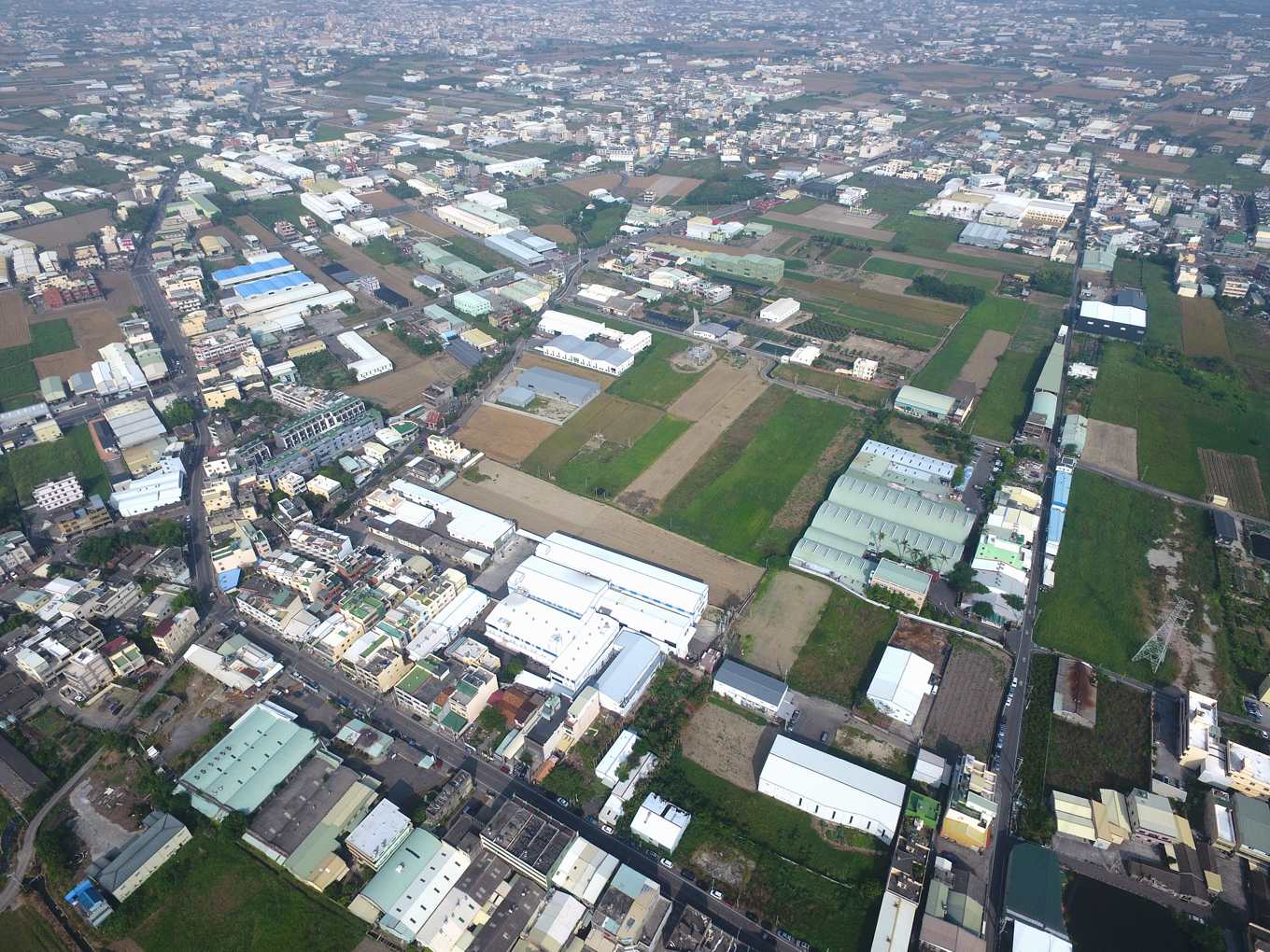

Council of Agriculture: Does not agree that the amendment should legalize factories on the spot
Regarding the versions proposed by the legislators, Chen Chi-chung, deputy chairman of the Council of Agriculture, also said during the Legislative Yuan meeting that there is still room for discussion, and that he does not believe all factories should be legalized on the spot, but that supporting measures should be in place. Illegal factories with a clustering effect and serious farmland pollution can follow the legalization path they should have, but they must also pay ecological compensation fees, as well as the price difference for converting farmland into building land and industrial land, as a farmland protection fund. He hoped this issue would take into account the survival of existing factory operators, and even more importantly, consider the overall environmental ecology and whether farmland can be managed sustainably.
Today's amendment proposals by the three legislators Lin Tai-hua, Hsu Shu-hua and Wang Hui-mei in the Legislative Yuan were also handed over to the Ministry of Economic Affairs for coordination, and cross-ministerial discussions will be held with the Ministry of the Interior, the Council of Agriculture and the Environmental Protection Administration, with an Executive Yuan version of the Factory Guidance Act amendment to be proposed within three months.