Grow spider plants like this in spring: roots as thick as radishes, leaves two fingers wide
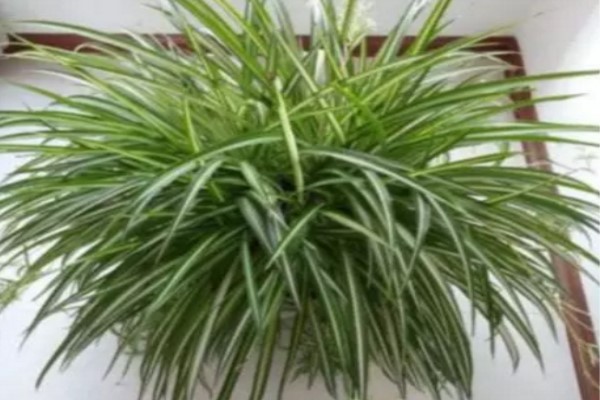
Routine care for spider plants
Watering:Spider plants have fleshy roots with a strong ability to retain water. They fear waterlogging but not drought. Even if you do not water them for 10 days or half a month, they will not die. Watering every day may instead cause root rot! Usually, watering once every 5 or 6 days is enough. Spider plants like a humid environment. Misting once in the morning and once in the evening each day can prevent the leaf tips from drying out.
Light:Spider plants like a semi-shaded environment, and it is best if they can receive scattered light. You can place the spider plant in the living room near a window. It is best to place spider plants together with other flowers and plants, as this keeps the air humidity higher and makes dry tips and yellow leaves less likely.
Fertilizer:If you want spider plants to grow well, fertilizer is essential. About once a month, water with diluted cake fertilizer water, or bury compound fertilizer granules into the soil. Note that when using compound fertilizer granules, do not let them touch the spider plant's roots.
Repotting spider plants
Repotting time:Spider plants grow relatively quickly, and generally need repotting once every 2~3 years. If you do not repot them, the nutrients in the original pot will be used up, and the growth of the spider plant will also be affected.
Repotting steps:
1. Remove from pot: after stopping watering for a period of time, carefully remove the spider plant from the pot.
2. Trim roots: cut off all old roots, dead roots, and damaged roots.
3. Apply base fertilizer: when repotting, you can bury some base fertilizer at the bottom of the new flowerpot, such as slow-release fertilizer, chicken manure, and other organic fertilizers.
4. After replanting, place the spider plant in a cool, ventilated place. Once the spider plant has recovered, carry out normal care.
Division of spider plants
Timing for division:When spider plants grow vigorously, they send out branches and produce small spider plants. We can use these small spider plants for division.
Division steps:
1. Find the newly grown small spider plants and cut them off.
2. Choose a flowerpot with large drainage holes. Line the bottom of the pot with newspaper or tile pieces to cover the drainage holes, and place a layer of ceramsite at the bottom as a drainage layer.
3. Bury the small spider plant in loose, fertile soil. It does not need to be buried too deep, 1-2 cm is enough, and water thoroughly. Place the planted small spider plant in a cool, ventilated place. After about a week, normal care can begin.
Handling root rot in spider plants
How to handle mild root rot:Mild root rot in spider plants usually shows as withered and yellowing leaves. If a spider plant shows mild root rot, it is very likely caused by overwatering. At this time, reduce the frequency of watering and often take the plant out to get sunlight.
How to handle severe root rot:If the spider plant's root rot is severe, first remove it from the pot, use a sterilized sharp knife to cut away the rotten roots, then apply rooting agent to the remaining part, change to fresh soil, and before long new roots will grow.
That is all Huahua has to introduce about tips for spider plant care~
Do you have any other good care methods?
Tell Huahua quickly!