How to repot Dianthus? Detailed guide to the correct method and steps
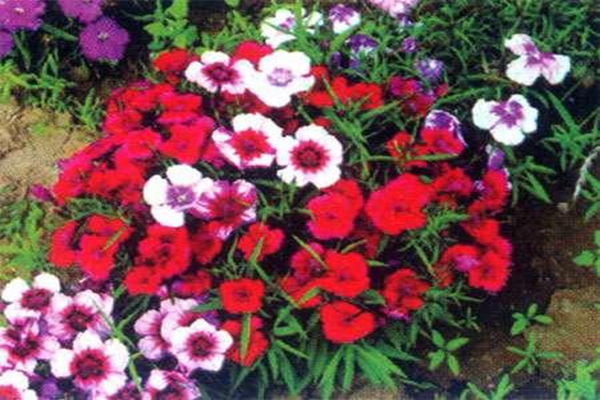
I. How to change to a new pot
1. First, score a circle around the edge of the pot with a sharp tool, preferably deep enough to help the root ball come out of the pot as a whole. If the root ball that comes out has very well-developed roots on it, it means the nutrients in the original pot have been almost completely used up.
2. Then gently break up the root ball, slowly remove the old soil, or wash it off with water, so the roots are fully exposed, and then according to the condition of the roots, remove the roots that have rotted or become old. Remove the messy branches and diseased or damaged branches inside. This helps the leaves reduce water evaporation and recover as quickly as possible, and also makes the crown look better. If you do not prune it and just put it into the new pot, it may drop its leaves, or even not grow new branches for a long time, because its roots were damaged when it was repotted.
3. Prepare a pot with holes in the bottom, cover the holes with mesh, or lay some large pebbles on top, to prevent the holes from being blocked by soil when you water it. This helps with drainage, will not cause root rot, and also allows the air in the pot to refresh more quickly, making it easier for the roots to breathe.
4. Pour in soil to one third of the height of the pot, preferably a mix of potting soil and ordinary garden soil, plus a little nitrogen fertilizer, to help the leaves grow. Put the pruned plant in, preferably leaving a gap of two or three cm from the edge of the pot. Then fill this gap with organic soil, and finally water it thoroughly in one go, and the whole repotting is complete.
II. Daily care
1. The suitable temperature for it to live is 15 to 20 degrees; in winter it should be placed in a warm room, with a temperature above 12 degrees. During its growing period it needs sufficient light; in summer, diffused light is best, do not expose it to strong sun, and shade it moderately to lower the temperature.
2. If it has grown to 10 cm tall, it needs to be transplanted.
3. If sown in autumn, it needs frost protection in November; during the growing period, apply animal manure or cake fertilizer two or three times.
4. If you want it to grow more flowers, you can pinch it to make it produce more branches, and also remove the axillary buds in time, which can reduce the loss of nutrients. After pruning, it can grow flowers again.