How to Grow Bear's Paw Succulent So Its Leaves Become Plump and Thick
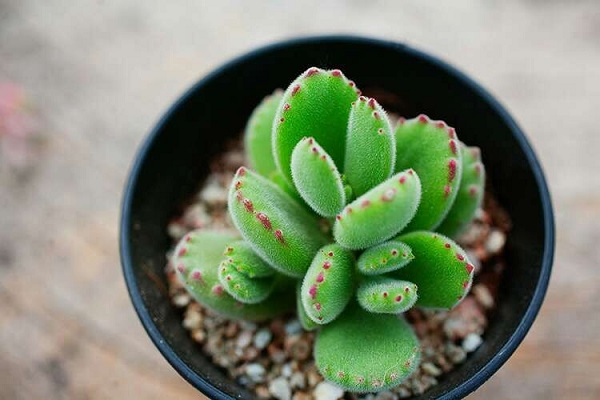
1. Light and Temperature
It prefers a warm, relatively dry growing environment with fairly abundant light. Placing it in a spot with long hours of sunlight can extend the time the leaves use photosynthesis to produce nutrients, making the leaves fuller. If the environment it is in is too dark, the plant's leaves will become weak and limp, not full, and the whole plant will look withered and feeble. It can tolerate high temperatures of 30°C and low temperatures of 5°C. When the temperature is above 35°C, it should be cooled appropriately, as excessive heat will affect its leaves.
2. Watering
It does not have high demands for watering, but in summer, when temperatures are high and water is easily lost, its missing moisture should be replenished in time. It dislikes overly moist soil, as the roots will rot in such an environment. In winter, the amount of water should be controlled even more strictly, keeping the potting soil in a slightly dry state as much as possible.
3. Fertilizing
Its demand for fertilizer is not great. Applying a thin liquid fertilizer or compound fertilizer once a month is already enough. Of course, you can also choose not to fertilize, and this will not affect the plumpness and thickness of its leaf growth.
4. Soil
For its cultivation soil, a simpler choice is sandy soil with medium fertility and good drainage. You can also use coarse sand, vermiculite, garden soil, and leaf mold mixed in equal amounts for cultivation. It is best to repot once every one to two years.