In spring, there are some flowers you can skip growing, but this is the one plant you'd really regret not having
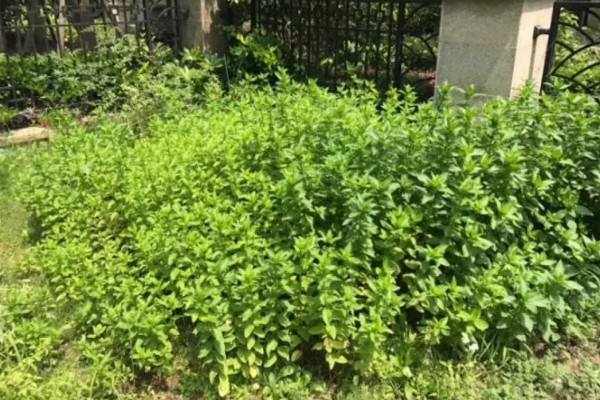
Give mint full sun and it will grow vigorously
Mint is a light-loving plant; the more sun it gets, the better it grows. A lack of sunlight makes the stems thin and crooked, keeps the leaves small, and fades the aroma, so when growing mint you must put it in the sunniest spot in your home. Even at 30-odd degrees Celsius in summer there is nothing to fear, it will grow even more happily. Also, be sure to keep the air moving.
Mint needs plenty of water
1. With plenty of water, mint will grow green and plump, and its flavor will be more fragrant.
2. Mint is very hardy, so drought or waterlogging is not a big problem; just water whenever the soil is dry, and water thoroughly each time. Generally, when the surface of the potting soil feels completely dry, it is time to water.
3. If you have not watered for a long time and the leaves have wilted, there is no need to worry; water thoroughly and it will slowly recover. Just keep watering once every 2-3 days.
A big pot, good soil and good fertilizer keep mint growing like crazy
Pot and soil:
1. The reason mint grows so fast comes down to its super-strong ability to absorb nutrients, so we need to prepare a relatively large flower pot and fertile soil for it.
2. Mint has a well-developed root system, and if there is not enough room its growth will be limited, so it is recommended to repot once every spring.
3. If you have a flower bed or a yard, do not casually plant mint in it, because before you know it, it will take over your whole garden and steal nutrients from the other plants.
4. Only loose, breathable soil lets mint grow carefree. Loosen the soil often, and it would be best of all if you can catch a few earthworms and put them in the pot.
Fertilizing:
1. Mint's fertilizer requirements are not especially high; chemical fertilizer diluted with water at 1:500-1000 is enough, and you do not need to fertilize too often.
2. Normally we can make our own fermented rice-washing water and mix it with clean water at a ratio of at least 1:20 to water the mint.
How do you prune mint?
What should you do when mint grows out of control? It must be because you have not pruned it properly.
1. With mint, there is a method called "pinching out the growing tips." You cannot let it just keep growing upward. To promote the development of side buds, be sure to cut off the topmost new shoots and some old leaves, so the mint quickly sends out axillary buds, grows fast, and keeps a nice shape!
2. If the mint stems and leaves are too thin and small, you should also prune them; combined with plenty of sunlight, the situation will ease.
3. Do not be reluctant to cut. If the mint leaves are all dry, withered and wilted, or the leggy growth is especially severe, you can simply give it a "buzz cut" and let it send out new branches again, so that it can once more grow into a full pot!
How does mint propagate?
Mint mostly does not rely on seeds to propagate, but rather through "stolons."
To grow new mint, you can cut off a stolon and bury it horizontally in the soil. The leaves on the stolon will grow perpendicular to the stolon and become mint branches. Do not bury it vertically!
You can also put the stolon in water for hydroponic propagation.
If there is no stolon, propagate mint this way:
1. Cut a small sprig of mint, about 6 cm; if it is too long you can divide it into two sections, then soak it in a cup and put it by the windowsill in the sun.
2. After about a week, the cut mint sprig will basically have rooted.
3. Bury the base of the mint sprig in soil, firm the soil, and water thoroughly.
4. Put it on a windowsill without direct sunlight to acclimatize for 2-3 days. If during this period there are no signs of drying out or wilting, that means the mint has survived.
However strong mint is, it still fears "powdery mildew"
Powdery mildew is a disease caused by a fungus. After mint is infected, white powdery patches appear on both sides of the leaves, looking like mold. It is usually caused by poor ventilation or overwatering.
If homegrown mint gets powdery mildew, considering that it is meant to be eaten, it is recommended to simply cut off the affected parts and let it send out new shoots.
The benefits of mint water
Steps for making mint water:
(1) Take 3-4 fresh leaves from the mint at home (you can use the growing tips cut off when pinching out the tips).
(2) Add some lemon and honey and brew with boiling water; it can be brewed two to three times.
(3) Mint clears the head as medicine and sweetens the mouth as candy. An occasional cup of mint water can both refresh you and relieve bad breath, clearing the lungs and resolving phlegm.
It should be noted that people with a cold, weak constitution should not consume too much; mint is cool in nature, and eating too much harms the body.
In addition, the mints we commonly grow are generally spearmint and peppermint; their flavors are better and easier to accept.
In short, the secrets to growing mint can be summed up as:
Ventilation, watering, sunlight, buzz cut
I wonder if you have learned it?
You are welcome to leave a comment below and interact with Huahua!