Detailed Guide to Growing and Caring for Golden Osmanthus (Osmanthus fragrans)
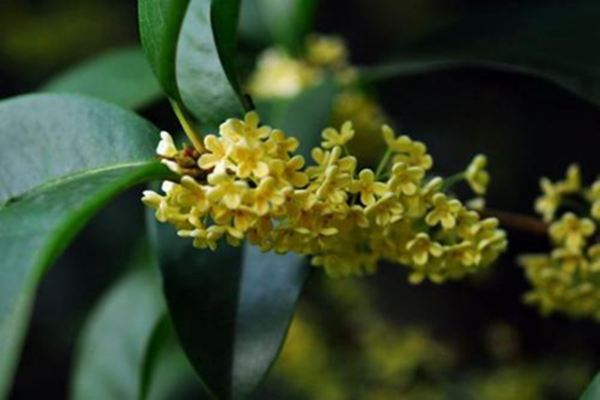
I. Growing Methods
1. Soil
If growing it in a pot, you can use rotted leaves mixed with garden soil and fine sand as the growing medium, and plant it on a cloudy or rainy day in spring or autumn. After planting, place it in a windy area with good drainage; either full sunlight or bright indirect light is fine.
2. Temperature
If you are in the south, it can spend the cold winter outdoors directly. In other places, move it indoors in winter to a spot with plenty of sunlight so it receives direct sunlight. The indoor temperature should be above 5 degrees but must not exceed 10 degrees. Wait until it sprouts in the following spring, then place it outdoors in a windless, sunny area, and gradually move it to a windy area.
3. Watering
Water it sparingly before new branches grow, and do not water on rainy days. In summer and autumn, it needs more water. If it is too moist when it blooms in autumn, the flowers are very likely to wither and drop. On cloudy and rainy days, make sure any water in the pot drains out properly; otherwise, over time the roots will rot.
4. Fertilizing
After it sprouts in spring, give it fermented fertilizer water once about every ten days. Dilute it first; it must not be too concentrated. This helps the branches and buds grow. By July, focus on phosphorus fertilizer to help it produce more flowers with a stronger fragrance. If phosphorus is insufficient, not only will it produce fewer flowers, but the scent will also be poor.
5. Pruning
Its root system is fairly well developed, and a mature golden osmanthus grows new branches every spring and autumn. To keep its branches and leaves dense, prune it once after the flowers wither in autumn. According to its growth condition, cut out the ones that are too dense, and cut out the diseased, thin and weak ones.
II. Precautions
1. If you do not repot it and change the soil for a long time, it will not get enough nutrients, the roots will not be able to spread out, and flower growth will be affected. So repot it once every one to two years.
2. It does not like smoke, so do not let it grow in places with unclean air. Otherwise it will grow poorly, the leaves will become smaller, and it will easily drop leaves and produce no flowers or very few.