What are the cultivation methods and precautions for Osmanthus 'Rixianggui' (Fragrant Olive)?
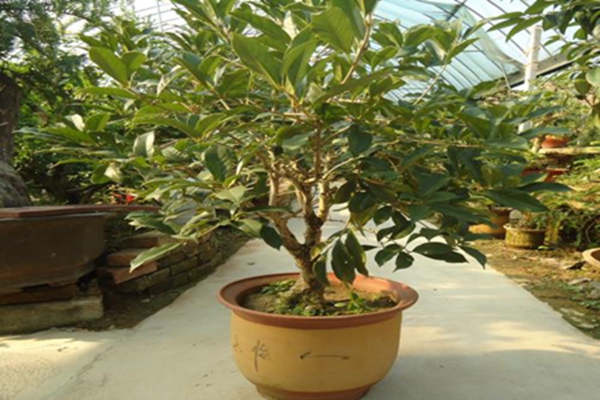
I. How to Care for It
1. Choosing Soil
It likes soil that is relatively loose and rich in organic matter. You can mix it yourself by combining rotted leaves, peat, and fine sand. Use soil that allows the roots to breathe; mild acidity is enough. After mixing the soil, sterilize it to prevent infection by pathogens.
2. Moderate Watering
Right after planting, water it thoroughly once first. If the soil is too dry or too wet, it will affect its growth. If the tender branches and leaves have all shriveled, you should submerge one quarter of the pot in clean water, and after 1 hour it will return to its original appearance. If there is too much water, its roots cannot breathe, so they will lack oxygen and the roots will rot.
3. Adding Fertilizer in Good Time
Because it blooms continuously, it consumes a great many nutrients, so it needs fertilizer even more than other plants. You can give it some phosphorus fertilizer to help its flowers bloom. Ordinarily, you can add some organic fertilizer to it; do not do this too frequently or in too large a dose. Applying it together with watering gives a better effect.
4. Shaping and Pruning
According to the shape of the tree and the owner's preferences, remove all of its thin branches, overly dense branches, dead branches, diseased branches, and so on. If it was just planted, you should cut off some of the tender branches to reduce nutrient consumption and help it adapt to the environment earlier. Generally, pruning is done when its new shoots have just grown out but have not yet lignified.
II. Precautions
1. It likes sunlight; this way its leaves will be more emerald green, its branches and trunk will be stronger, and its flowers will be more fragrant. If you put it in a shady area, the branches and leaves will be relatively sparse and the fragrance will be fainter. At 15 to 30 degrees, its growth is most vigorous, but in summer, because of the high temperatures, its tender leaves will be damaged. If it is potted, put it in a windy area.
2. The extreme temperature it can tolerate is minus 7 degrees, and the highest temperature is 38 degrees. If you want it to bloom normally, it needs 2 to 22 degrees. If the summer is scorching hot, you can sprinkle water on the leaves; in the severe cold of winter, it needs to be kept warm.